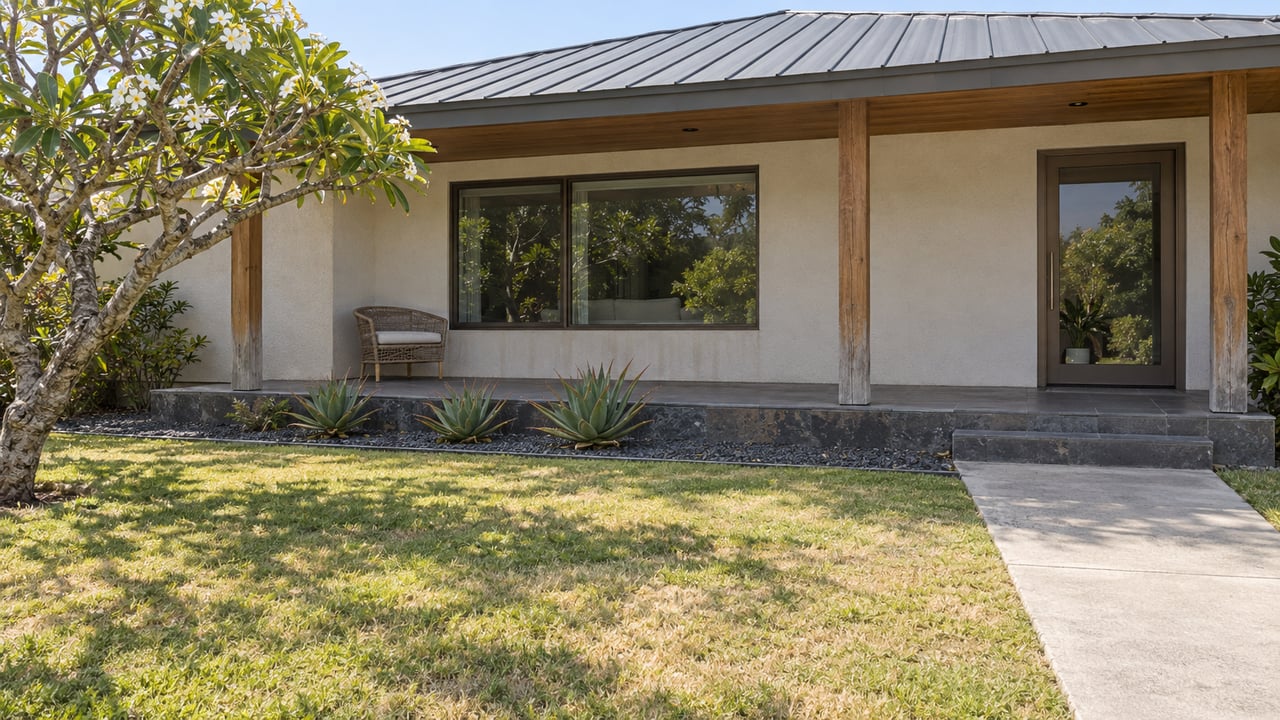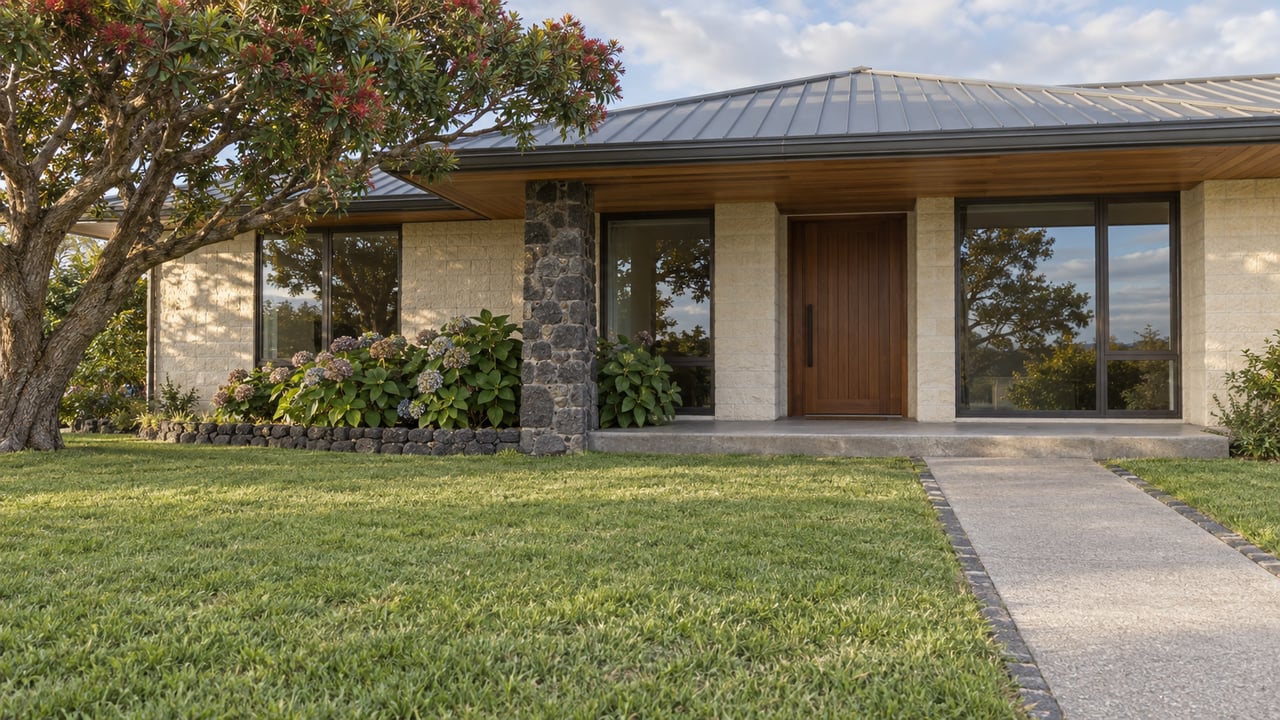
If you are thinking about buying a vacation rental in Waikoloa, it is easy to focus on ocean views, nightly rates, and the dream of owning a piece of Hawaiʻi. But the strongest investments usually come from something less glamorous: making sure the property can legally operate, fits the building rules, and supports day-to-day management on the ground. If you want a smarter way to evaluate Waikoloa vacation rental opportunities, this guide will walk you through the key checkpoints before you buy. Let’s dive in.
Why Waikoloa draws investors
Waikoloa is often on investor shortlists because it sits within Hawaiʻi County’s resort-area framework. In the County’s General Plan 2045 draft, Waikoloa is listed among example resort areas, which are described as self-contained destination areas with basic and support facilities, public access to beach and shoreline areas, and walkable or transit-connected access.
That matters because resort-area property can offer a different investment profile than a more residential or inland Big Island purchase. If you are comparing Waikoloa condos to other parts of the island, you are often comparing a built visitor ecosystem against a more traditional long-term residential setting.
The broader visitor picture also helps explain why Waikoloa gets so much attention. According to DBEDT, Hawaiʻi Island welcomed 1,729,027 visitors in 2024, with $3.22 billion in visitor spending. That does not guarantee results for any one property, but it does show that the island’s visitor economy remains significant.
Start with legal use
Before you look at projected income, confirm whether the property can actually operate as a vacation rental. In Waikoloa, that is the first filter, and it can quickly narrow your list.
Hawaiʻi County defines a short-term vacation rental, or STVR, as a dwelling unit where the owner or operator does not reside on the building site, no more than five bedrooms are rented on the site, and the rental period is 30 consecutive days or less. This is different from the state tax definition, which treats rentals of less than 180 consecutive days as transient accommodations for tax purposes.
Those two definitions answer different questions. The county definition helps determine land use and operational compliance, while the state definition affects how the rental is taxed. If you mix them together, you can end up misunderstanding whether a property is allowed to operate or simply how it is taxed.
Where STVRs are allowed
Under Bill 108, STVRs are permitted in V, CG, and CV districts. They are also permitted in residential and commercial districts located in the General Plan Resort and Resort Node areas, and in RM districts for multiple-family dwellings within a condominium property regime.
Just as important, new STVRs are not allowed in unpermitted districts after April 1, 2019. Some pre-existing operations outside permitted zones may qualify for nonconforming use certificate, or NUC, status if they meet the county’s requirements.
Why NUC status matters
If you are considering a property with nonconforming use status, treat that as an active part of your underwriting. NUC status is not just a historical label attached to the property.
The county requires annual NUC renewal, and the current renewal fee is $250. That means a nonconforming property may carry ongoing compliance obligations and costs that should be built into your ownership plan from the start.
HOA rules can override assumptions
One of the most common mistakes buyers make is assuming zoning approval is the whole answer. In Waikoloa, that is only part of the picture.
The county ordinance states that private covenants that prohibit STVR use are still enforceable. So a condo may sit in a zoning district where vacation rentals are allowed, but the project declaration, bylaws, or house rules may still block short-term rental use.
That is why condo document review matters so much. Before you commit, review the declaration, bylaws, house rules, reserve documents, and any rental program limitations tied to the project.
Questions to ask early
When you are screening a Waikoloa condo or resort property, ask these questions as early as possible:
- Is the zoning or district consistent with STVR use?
- Is there any NUC history tied to the property?
- Do the declaration and house rules allow short-term rentals?
- Are there limits on minimum stay length or rental program participation?
- Are there parking or site layout constraints that could affect compliance?
A property that clears these questions is usually worth a much deeper look. A property that does not may be better left off your list.
Evaluate the building, not just the unit
In vacation rental investing, the building can matter just as much as the interior of the unit. A beautiful condo may still be a poor fit if the project layout or compliance details create operating problems.
Hawaiʻi County’s STVR application materials require proof that all necessary building, electrical, and plumbing permits received final approval. The county also requires a scaled site plan showing boundaries, setbacks, structures, driveway access, and designated parking.
For buyers, this creates a practical checklist. Unpermitted work, missing permit sign-offs, or parking limitations can become real transaction issues long before your first guest ever checks in.
Parking deserves close attention
Parking is not just a convenience issue. County compliance materials require guest parking to be off-street, and designated parking spaces must be identified.
In a condo or resort setting, that makes stall count, access, and ease of loading and unloading part of the investment decision. If the site layout is awkward or parking is unclear, operations can become harder than your spreadsheet suggests.
Budget for taxes and registration
A Waikoloa vacation rental should be underwritten like a business. Taxes and registration costs are part of the model, not line items to figure out later.
The Hawaiʻi Department of Taxation says rental income from Hawaiʻi real property is taxable business activity. Short-term rentals are subject to income tax, general excise tax, and transient accommodations tax.
The state says a GET license costs $20 as a one-time fee, and a TAT certificate of registration for a one- to five-unit operator costs $5. Hawaiʻi County also imposes a 3% county transient accommodations tax, and while county filings follow the same schedule as the state TAT return, the county portion is paid separately.
Hawaiʻi County also has a 0.5% GET surcharge. For investors, the takeaway is simple: build these tax layers into your cash flow planning early so your numbers reflect the real operating picture.
Plan for local management from day one
Many vacation rental buyers start with revenue questions, but management logistics often decide whether the investment actually works. In Hawaiʻi County, local responsiveness is not optional.
County operating standards require the owner or a reachable person to reside in the County of Hawaiʻi, be reachable by guests, neighbors, and county agencies 24 hours a day, 7 days a week, respond by phone within one hour, and be physically present at the STVR within three hours when requested.
For many remote owners, that means a local management solution is essential. A booking platform alone will not satisfy the county’s on-the-ground expectations.
Daily operations matter more than many buyers expect
County standards also require quiet hours from 9:00 p.m. to 8:00 a.m., off-street guest parking, and advertising that includes the STVR registration number. These are small details on paper, but they shape how the business runs every day.
That is why housekeeping, guest messaging, linen turnover, trash handling, and post-stay inspections should all be part of your launch plan. A vacation rental is not just a real estate purchase. It is an operating system.
A practical launch sequence
If you are just getting started, it helps to follow the same order that experienced investors and operators use when they screen a property. This keeps you from spending too much time on units that fail early compliance checks.
Use this Waikoloa checklist
- Verify zoning and permitted STVR use.
- Check for any NUC history or renewal obligations.
- Review condo declarations, bylaws, and house rules.
- Confirm parking and site layout can support compliance.
- Review permit history for building, electrical, and plumbing sign-off.
- Line up state tax licenses and county registration needs.
- Build a realistic pro forma with management, cleaning, utilities, HOA dues, maintenance, taxes, and reserves.
This process will not give you a universal expense formula, because every property is different. But it will help you avoid a common mistake: falling in love with a unit before confirming the operational basics.
The three-part test for Waikoloa investing
If you remember only one thing, make it this: Waikoloa vacation rental investing is usually a three-part test. The property needs to be legally allowed, the building or HOA needs to permit it, and the owner needs to support the county’s local operating expectations.
If one of those pieces is missing, the investment case can weaken fast. If all three line up, you have a much stronger foundation for evaluating income, expenses, and long-term fit.
With Waikoloa, the opportunity is real, but so is the need for careful review. Buying well here means looking beyond the view and understanding how the property will function as a compliant, manageable business.
If you are exploring Waikoloa vacation rental opportunities and want local, practical guidance from someone who understands both real estate and day-to-day operations, Noelani Spencer can help you evaluate the details that matter before you buy.
FAQs
What makes Waikoloa attractive for vacation rental investing?
- Waikoloa is part of Hawaiʻi County’s resort-area framework, and Hawaiʻi Island’s 2024 visitor economy remained large, with 1,729,027 visitors and $3.22 billion in visitor spending according to DBEDT.
What is the Hawaiʻi County definition of a short-term vacation rental?
- Hawaiʻi County defines an STVR as a dwelling unit where the owner or operator does not live on the building site, no more than five bedrooms are rented on the site, and the rental period is 30 consecutive days or less.
Can a Waikoloa condo be zoned correctly but still not allow vacation rentals?
- Yes. Even if county zoning allows STVR use, private covenants, condo declarations, bylaws, or house rules can still prohibit or limit short-term rentals.
What taxes should a Waikoloa vacation rental investor expect?
- Short-term rentals in Hawaiʻi are generally subject to income tax, GET, and TAT, and Hawaiʻi County also imposes a 3% county transient accommodations tax along with a 0.5% GET surcharge.
Does a remote owner need local vacation rental management in Waikoloa?
- In many cases, yes. County rules require a reachable person in the County of Hawaiʻi who is available 24/7, can respond by phone within one hour, and can be physically present at the property within three hours when requested.