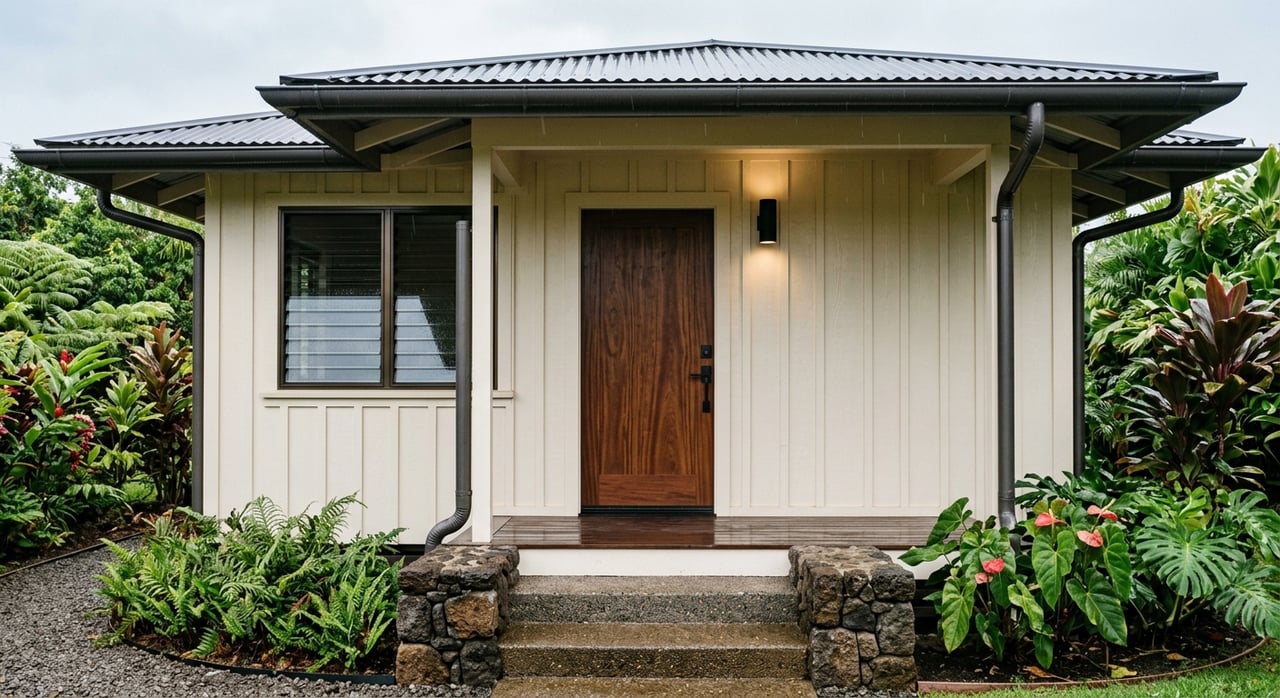
If you are getting ready to sell an older home in Hilo, you are not just preparing a property. You are preparing buyers to feel confident in a home that may have decades of history in one of Hawaiʻi’s wettest environments. In today’s slower Hilo market, buyers often have time to look closely at condition, paperwork, and future repair risk. This guide will help you focus on the updates and prep work that matter most so you can present your home with clarity and credibility. Let’s dive in.
Why older Hilo homes need a different plan
Older homes in Hilo face conditions that can shape both value and buyer concerns. NOAA’s 1991 to 2020 climate normals for Hilo International Airport show about 120.39 inches of annual rainfall and a mean temperature of 74.0°F. That combination makes moisture control, ventilation, roof condition, and drainage especially important.
That climate reality also affects how buyers evaluate older homes. Instead of focusing only on style updates, many buyers will look for signs that the home has been cared for in practical ways. In a market where Redfin reported a $563,400 median sale price, 175 average days on market, and a market that was not very competitive in March 2026, condition and documentation can carry real weight.
Start with water and moisture issues
In Hilo, moisture is often the first thing to address before you spend money anywhere else. Buyers may notice musty smells, stained ceilings, soft wood, condensation, or peeling finishes right away. Even small signs can lead them to wonder what is happening behind the walls or under the roof.
The EPA notes that mold depends on moisture and recommends drying wet materials within 24 to 48 hours, keeping indoor humidity below 60 percent, cleaning gutters, and making sure ground slopes away from the foundation. For an older Hilo home, that means your pre-listing checklist should begin with leak prevention and airflow.
Roof and gutter maintenance
Roof condition can influence buyer confidence quickly. If you know of past leaks, worn roofing, or clogged gutters, address those issues early. Redfin’s Hilo trend data shows that a new roof is one of the features associated with stronger sale-to-list performance.
You do not always need a full roof replacement to improve presentation. Sometimes the most helpful step is repairing problem areas, clearing gutters, and making sure downspouts move water away from the home. The goal is to show that the house is ready for Hilo’s rain, not just sunny-day showings.
Drainage around the home
Poor drainage can quietly create bigger issues over time. Water that sits near the home can contribute to damp conditions, mold, and rot. It can also make a buyer worry about what happens during heavy rain.
Walk the perimeter and look for areas where soil slopes toward the house, where downspouts dump too close to the structure, or where water tends to pool. Simple grading corrections and drainage improvements can often do more for buyer confidence than a cosmetic upgrade inside.
Ventilation and airflow
A home that feels bright and airy often shows better than one that feels closed up. The EPA recommends increasing ventilation or air movement to reduce humidity and condensation. In Hilo, that can be especially important in bathrooms, kitchens, laundry areas, and older enclosed spaces.
Check that fans work, screens are in good condition, and windows open as intended. Clean window coverings or replace tired blinds if needed. Redfin’s local trend data also points to blinds as a valued feature, which supports the idea that clean, functional window treatments can help a home feel more polished.
Tackle termite risk before buyers ask
Termites are a major concern in Hawaiʻi, and older homes often draw extra scrutiny. The University of Hawaiʻi CTAHR reports that Hawaiʻi has 8 termite species, and the Formosan subterranean termite is the single most damaging insect pest to homes in the state. That is not a small issue for a buyer evaluating an older wood-framed property.
You do not need to create panic around the topic, but you do want to reduce visible risk. Buyers tend to feel better when the outside of the home looks maintained and the structure is not inviting pests.
Exterior cleanup matters
CTAHR recommends keeping plants and wood debris away from the structure, fixing leaky faucets and downspouts, and avoiding wood-to-soil contact. That makes exterior cleanup more than curb appeal. It becomes part of the home’s risk-reduction story.
As you prepare to list, remove stacked wood, cardboard, and debris near the home. Trim back vegetation touching siding or trim. If a gate, deck post, or fence element has direct wood-to-soil contact, it may be worth reviewing before you go live.
Gather pest history records
If you have past pest inspections, treatment records, or maintenance notes, organize them before listing. In a slower market, buyers often appreciate documentation that answers questions before they become deal friction. A clean file can help support a smoother conversation once inspections begin.
Review wastewater systems early
For some older Hilo homes, wastewater may be one of the biggest practical issues in the transaction. The Hawaiʻi Department of Health says cesspools are among the oldest and most harmful wastewater disposal systems. It also states that about 88,000 exist statewide, with nearly 50,000 on the Big Island.
This matters because all cesspools must be upgraded by January 1, 2050, and certain property changes such as adding bedrooms, bathrooms, or other building modifications can trigger an earlier upgrade requirement. The Department of Health also notes that a new homeowner can become responsible for bringing a noncompliant system into compliance.
What sellers should collect
If your home has an older wastewater system, gather records before listing, including:
- Pumping records
- Engineer reports
- Upgrade or conversion history
- Any known maintenance notes
- Information tied to prior additions or renovations
Having these details ready can reduce surprises during escrow. It can also help buyers assess the property more clearly instead of assuming the worst.
Check permits and past improvements
Older homes often have a long history of repairs, additions, and changes. Some of that work may be fully documented, while some may not be. In Hawaiʻi County, building permits are generally required for work that erects, constructs, enlarges, alters, repairs, converts, moves, or demolishes a structure.
That does not mean every older home needs perfect historical paperwork to sell. It does mean that sellers should review what they have and identify possible gaps before a buyer does.
Focus on material changes
Start with spaces or features that tend to raise questions, such as:
- Added bedrooms or bathrooms
- Converted carports or enclosed lanais
- Large structural repairs
- Major electrical or plumbing work
- Roofing replacements
County guidance notes that some minor cosmetic items like paint and floor coverings are generally not permit work. Still, if a past improvement changed how the home functions or expanded living area, it is smart to review records early.
Disclosures need to be current
Hawaiʻi law requires a seller disclosure statement, gives buyers an opportunity to review it, and requires an amended disclosure if a later-discovered material fact could affect value. For older homes, that makes accuracy especially important. If you uncover something during prep, it is better to address it thoughtfully than let it surface late in the process.
Be ready for flood and sea-level-rise questions
Some Hilo properties may also require careful review of hazard exposure. Hawaiʻi Revised Statutes §508D-15 requires disclosure if a property lies within a special flood hazard area, a tsunami inundation area, or the sea level rise exposure area. The State of Hawaiʻi climate portal also notes that sea level around Hilo Bay has risen 10 inches since 1950.
If your home is near the coast or in a low-lying area, do not leave this question until the last minute. Pull together any mapped hazard information you have and be prepared to discuss it through the required disclosure process. Buyers tend to respond better when these topics are handled clearly and early.
Make smart updates, not just expensive ones
For many older Hilo homes, the best pre-sale spending is not a full remodel. It is a focused plan that reduces risk, improves presentation, and supports the asking price. Based on local market and listing trend data, practical updates often outperform big discretionary projects.
Updates that may help most
Redfin’s Hilo trend data points to features like new roof, new cabinetry, large kitchens, hardwood floors, and blinds as strong value signals. That does not mean you need to take on a full renovation. It means buyers appear to respond to homes that feel well-maintained, functional, and visually clean.
Consider cost-conscious improvements such as:
- Repairing roof issues and cleaning gutters
- Refreshing cabinetry with paint, hardware, or refacing
- Deep cleaning kitchens and improving storage presentation
- Refinishing original hardwood floors if they are in good shape
- Replacing worn blinds or heavy window coverings
- Brightening darker rooms by improving airflow and light
Preserve character where you can
Older Hilo homes often have details that buyers appreciate when they are presented well. Original wood floors, trim, or cabinetry can feel warm and timeless when they are clean and functional. Replacing everything is not always the best move.
If these features are in good condition, consider refinishing or repairing rather than removing them. That approach can protect character while still helping the home feel fresh.
Use a smart repair order
When sellers feel overwhelmed, it helps to follow a clear sequence. In an older Hilo home, the practical order is usually to handle water intrusion first, then termite risk, then wastewater and permit questions, and only after that move to cosmetic improvements. That order matches the issues most likely to affect buyer confidence and negotiation.
A simple way to think about it is this:
- Stop active problems
- Reduce hidden-risk concerns
- Organize documentation
- Improve visual presentation
That sequence helps you spend with purpose. It can also keep you from over-improving areas that buyers may overlook if they are still worried about bigger concerns.
Documentation can be your advantage
In a market where buyers have more time to compare options, paperwork matters. An older home can absolutely compete well when it feels dry, cared for, and transparent. That is often more powerful than trying to make it look brand new.
Try to assemble a clean seller package with any records tied to permits, pest treatment, wastewater, roof repairs, and required hazard disclosures. Even when a home has age-related issues, buyers often feel more comfortable when they can see the owner has taken a thoughtful, organized approach.
If you are preparing an older Hilo home for sale, a local strategy matters. The right plan can help you decide what to repair, what to disclose, what to document, and where to avoid overspending. For practical guidance tailored to your property and your goals, connect with Noelani Spencer.
FAQs
What should sellers fix first in an older Hilo home?
- Start with water intrusion, roof concerns, drainage, and ventilation because Hilo’s wet climate can make moisture issues a major buyer concern.
Why do wastewater records matter when selling an older Hilo property?
- Older homes may have cesspools or other aging systems, and Hawaiʻi Department of Health rules can affect upgrade requirements and buyer responsibility.
Do older Hilo homes need permit records before listing?
- Sellers should gather records for major additions, alterations, repairs, or converted spaces because Hawaiʻi County requires permits for many types of structural or functional work.
What disclosures matter for homes near Hilo Bay or low-lying areas?
- Hawaiʻi law requires disclosure if a property is in a special flood hazard area, tsunami inundation area, or sea level rise exposure area.
Are cosmetic updates enough to prepare an older Hilo home for sale?
- Usually not on their own, because buyers often focus first on moisture, termites, wastewater, documentation, and other condition-related risks before cosmetic finishes.
How can sellers keep an older Hilo home charming without making it feel dated?
- Preserve original features like wood floors, trim, or cabinetry when they are in good shape, while improving cleanliness, airflow, light, and overall maintenance.