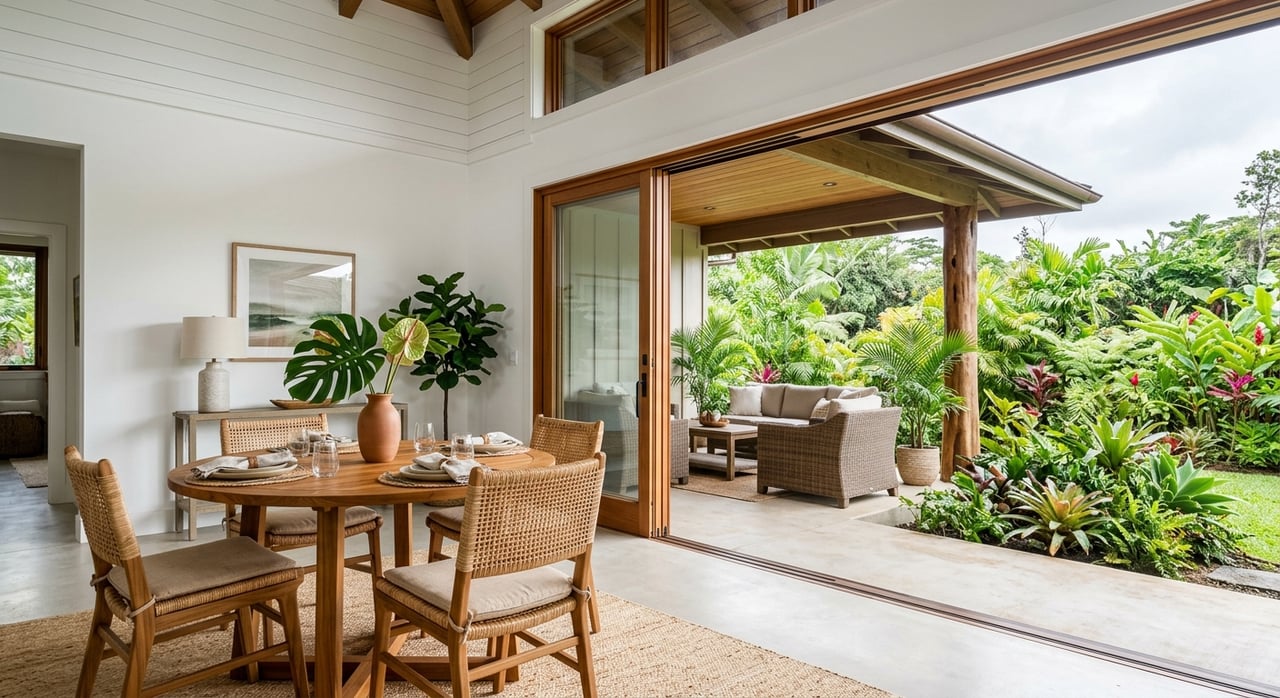
If you’re craving a version of Hawaiʻi that feels quieter, greener, and more rooted in daily community life, Hawi may stand out right away. This small North Kohala town is not built around big resorts or fast-moving city conveniences, and that is exactly the appeal for many buyers and lifestyle-focused movers. When you understand what slow-paced coastal living in Hawi really means, you can decide whether its rhythm fits the way you want to live. Let’s dive in.
What Hawi Feels Like Day to Day
Hawi is best described as a small historic town in North Kohala on the green northern tip of the Big Island. State tourism information calls it a peaceful haven and a quaint little town, with galleries, boutiques, and restaurants set inside plantation-era buildings. That gives the town a lived-in, small-scale feel rather than a polished resort atmosphere.
If you are expecting a place packed with chain stores, dense development, or constant activity, Hawi may feel intentionally quiet. County planning for North Kohala supports preserving open space and cultural resources, directing growth toward existing town centers, and avoiding major urban or suburban expansion. In other words, the slower pace is not accidental. It is part of the area’s long-term vision.
Why “Slow-Paced” Means More Than Quiet
Slow-paced living in Hawi is not just about fewer cars on the road or less commercial development. It also means your daily life may center more on relationships, routines, and local gathering spots than on convenience-heavy infrastructure. Across Hawaiʻi County, residents most often say they value community relationships, aloha spirit, natural beauty, safety, and a slower pace.
That said, slower living here also comes with tradeoffs. County survey findings point to practical barriers in Hāwī and North Kohala, including limited food access, few public gathering spaces, and a lack of public restrooms in the village core. For you, that can mean a lifestyle that feels connected and grounded, but one that may require more planning for errands and everyday logistics.
Community Is a Big Part of the Lifestyle
In Hawi, civic life appears to lean heavily on local organizations rather than a large public infrastructure system. The North Kohala Community Resource Center supports local projects, nonprofits, oral histories, and preparedness efforts. Kohala Artists LLC was formed by local artists to promote art education and create a community arts center.
That matters because it helps explain the character of the town. In many small communities, the pace of life is shaped by people showing up for each other, supporting local projects, and building places to gather over time. Hawi seems to reflect that pattern clearly.
Hawi’s Historic Village Character
One of Hawi’s biggest lifestyle draws is its historic setting. The town was once tied to the sugar industry, and today many of its businesses operate from plantation-era buildings. That blend of history and local commerce gives the area a distinct sense of place.
Instead of a master-planned commercial district, you get a village feel. Art galleries, small shops, and restaurants help shape the experience of being in town. If you value places that feel personal and layered with history, Hawi offers that in a very visible way.
Arts and Food Add Texture to Daily Life
Hawi may be small, but it has a recognizable arts-and-food identity. State tourism material notes that visitors can find galleries, boutiques, handmade jewelry, crafts, homemade fudge, and Kona coffee. Bamboo Restaurant & Gallery operates in a restored plantation building and combines island cuisine with gallery space, which captures the town’s blend of everyday life and local creativity.
Food also plays a meaningful role in the local rhythm. Kohala Grown Market focuses on locally sourced produce, meats, fish, dairy, and deli items. The Hawi Farmers Market includes an EBT booth as part of the North Kohala Community Resource Center’s Eat Locally Grown efforts, and Kohala Food Hub helps bring local produce and proteins to households across North Kohala and nearby areas.
For you, this adds up to a place where local sourcing and small-business culture are part of the lifestyle. It may not feel like a one-stop convenience corridor, but it can feel more personal and place-based.
The Coastal Setting Is Part of the Appeal
Hawi is often described as coastal living, but it helps to understand that in local context. It is not a dense beachfront town lined with hotels and high-rise buildings. Instead, it is a rural North Kohala village that gives you access to dramatic coastal landscapes, scenic drives, and outdoor destinations.
This is one reason the area appeals to buyers looking for a lifestyle tied to land, ocean views, and a quieter base. You are near the coast and closely connected to it, but the living experience itself is more village-based and rural than resort-centered.
A Green North-End Setting
Go Hawaii places Hawi on the island’s green north end, which helps explain why the area often feels lush and calm. At the same time, nearby North Kohala and South Kohala settings can shift quickly in climate and landscape. The National Park Service describes nearby Puʻukoholā as one of the driest areas in the Hawaiian Islands, with average annual rainfall under 9 inches.
That contrast is useful if you are comparing micro-locations on the Big Island. Hawi can feel green, rural, and coastal-adjacent all at once. It offers a different visual and lifestyle experience from the drier resort-oriented areas many people first picture when they think about West Hawaiʻi.
Outdoor Access Around Hawi
For many people, slow-paced living does not mean staying still. In Hawi, part of the appeal is using the town as a base for North Kohala outings and scenic exploration. Pololū Valley lies beyond Hāwī at the end of Highway 270, making the town a natural stopping point for one of the area’s most talked-about destinations.
Nearby outdoor and cultural sites also add depth to daily life. Lapakahi State Historical Park preserves an ancient Hawaiian fishing village and coastal views, while Puʻukoholā Heiau National Historic Site interprets an important chapter of Hawaiian history and remains open year-round. The Ala Kahakai trail corridor connects important coastal places and creates opportunities for longer scenic outings.
Expect Some Visitor Traffic at Key Times
A slower lifestyle does not always mean isolation. Hawi is the annual Ironman bicycle turnaround, so the area can feel busier during race season than it does the rest of the year. That seasonal rhythm is part of local life.
Pololū is another factor. A 2025 environmental assessment tied to the Pololū Planning Project reported average daily trailhead visitation of about 597 people in 2023, with busy days near 1,480. If you are considering living in Hawi, it is helpful to know that nearby natural attractions can bring noticeable day-trip traffic even though the town itself remains small.
Who Hawi May Be Right For
Hawi tends to appeal to buyers who want a more grounded pace and a stronger connection to North Kohala’s landscape and community fabric. If you are looking for a historic small town, open space, local businesses, and a lifestyle that feels less commercial, Hawi may line up well with your goals. It can also be a compelling option if you value access to outdoor destinations without wanting to live in a busier visitor zone.
At the same time, Hawi may not be the right fit if your top priority is convenience, dense retail, or a highly walkable town center with extensive public amenities. The county’s own survey findings suggest that the village core has practical limitations. For the right buyer, those tradeoffs feel worthwhile. For others, they may be a reason to explore other Big Island areas.
Why Lifestyle Fit Matters in Real Estate
In a place like Hawi, buying real estate is often as much about lifestyle fit as it is about the property itself. Two homes can look similar on paper but feel very different depending on how you want your days to unfold. Your comfort with a rural setting, your expectations around convenience, and your interest in community-centered living all matter here.
That is why local guidance can make such a difference. When you understand how Hawi functions beyond the listing photos, you can make a decision that fits both your budget and your everyday life. That kind of clarity is especially important in Big Island micro-markets, where community character can shift quickly from one area to the next.
If you’re considering a move in North Kohala or want help understanding how Hawi compares with nearby Big Island communities, Noelani Spencer can help you navigate the details with practical local insight and a thoughtful, place-based approach.
FAQs
What is slow-paced living in Hawi, Hawaii like?
- Slow-paced living in Hawi usually means a quieter daily rhythm, a strong sense of community, local small businesses, historic village character, and less emphasis on convenience-heavy development.
Is Hawi, Hawaii a resort area?
- No. Hawi is better understood as a small historic North Kohala town rather than a resort district or major service center.
What makes Hawi, Hawaii feel different from other Big Island areas?
- Hawi stands out for its green North Kohala setting, plantation-era buildings, arts-and-food scene, access to coastal outings, and county planning that supports preserving open space and limiting major urban growth.
Are there outdoor places near Hawi, Hawaii?
- Yes. Hawi is a useful base for visiting places like Pololū Valley, Lapakahi State Historical Park, Puʻukoholā Heiau National Historic Site, and portions of the Ala Kahakai trail corridor.
Does Hawi, Hawaii stay quiet all year?
- It is often quiet, but it can feel busier during Ironman season and on heavy visitation days tied to nearby destinations like Pololū Valley.
Is Hawi, Hawaii convenient for everyday errands?
- Hawi offers local businesses and food resources, but county survey findings suggest practical limits in the village core, including limited food access, few public gathering spaces, and other convenience-related challenges.