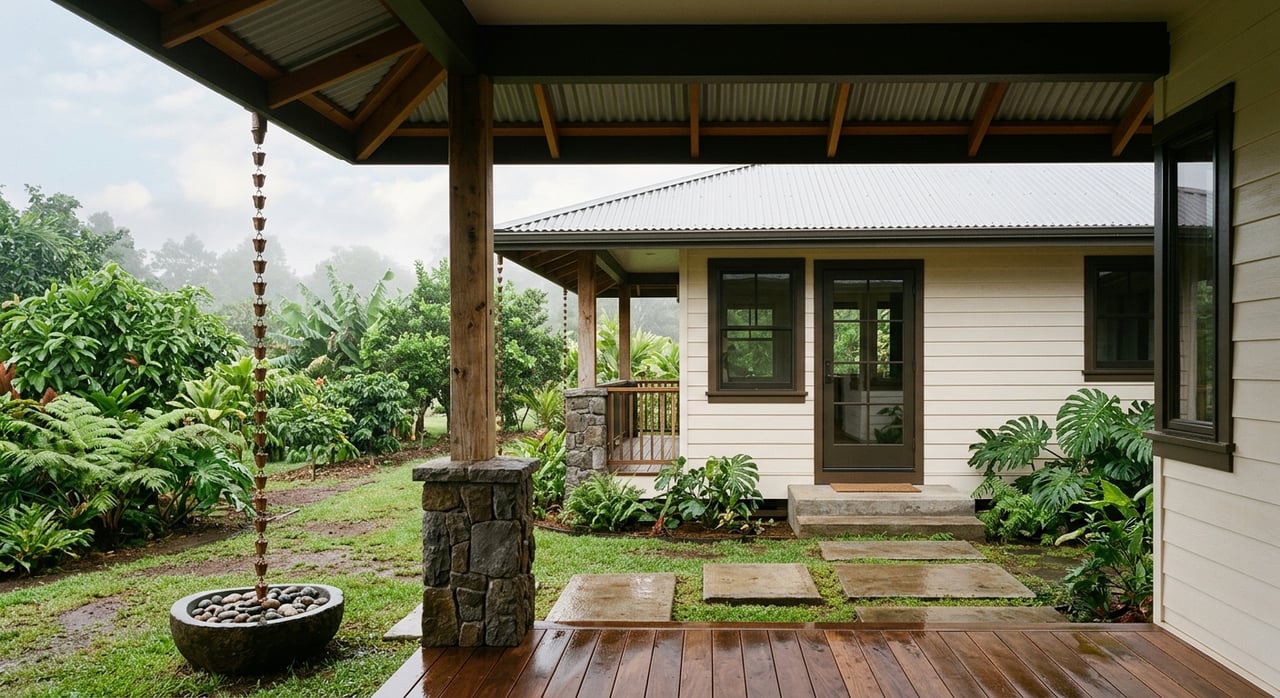
If you are wondering whether life on the Hāmākua Coast feels peaceful, remote, dramatic, or practical, the short answer is yes. Honokaʻa offers a kind of daily rhythm that feels shaped by weather, landscape, and history more than by fast growth or rigid suburb patterns. If you are thinking about living here, this guide will help you picture what day-to-day life in and around Honokaʻa really feels like. Let’s dive in.
Honokaʻa feels rooted in the landscape
One of the first things you notice about this part of the island is how much the land sets the tone. Honokaʻa sits in the Hāmākua corridor, where the coast begins just above town and stretches south toward Hilo along scenic Old Māmalahoa Highway. This is not a place that feels flat or overly planned.
Instead, the setting tends to feel lush, misty, and deeply connected to the natural contours of the island. According to NOAA’s explanation of Hawaiʻi’s windward climate, northeast trade winds bring higher rainfall to the island’s windward slopes, which helps explain why this side of Hawaiʻi Island stays so green. In daily life, that often translates into valley views, changing skies, and a backdrop of rain, clouds, and tropical growth.
The scenery is part of everyday life
In many places, scenic stops are something you drive to on the weekend. Around Honokaʻa, they are woven into normal routines. A drive south can include overlooks, dense greenery, and access to places like ʻAkaka Falls State Park, where a short loop trail leads through tropical vegetation to a 442-foot waterfall.
Closer to town, Kalōpā State Recreation Area is about five miles from Honokaʻa and includes native ʻōhiʻa forest, trails, picnicking, camping, and cabins. That means outdoor access is not just a special event. It can feel like a natural extension of everyday life.
Honokaʻa has an older town soul
Honokaʻa is small, with 2,699 residents in the County of Hawaiʻi community profiles, but it does not feel generic or interchangeable. The town carries visible layers of history, especially in its core commercial area. The Honokaʻa Heritage Center describes the area as one of the island’s largest intact concentrations of early 20th-century plantation-era storefronts.
That history matters because it still shapes how the town feels today. Buildings like the Honokaʻa People’s Theatre, the Ferreira Building, and the Hotel Honokaʻa Club help create a streetscape where the past is part of the present. Rather than feeling polished in a master-planned way, Honokaʻa feels lived-in, layered, and locally grounded.
Daily life moves at a smaller scale
If you are used to big-box convenience everywhere, Honokaʻa may feel slower and more local by design. The rhythm here is tied more closely to small businesses, historic town blocks, and agricultural connections than to major retail corridors. For many people, that is a big part of the appeal.
The Honokaʻa Heritage Center’s local attractions guide also points to farmers markets in Honokaʻa and Waimea on Wednesday, Saturday, and Sunday, with local produce, bread, goat cheese, honey, and artisan goods. That kind of weekly routine gives the area a neighborly cadence. It also reinforces how connected the town remains to farming and local makers.
Homes tend to feel established, not brand new
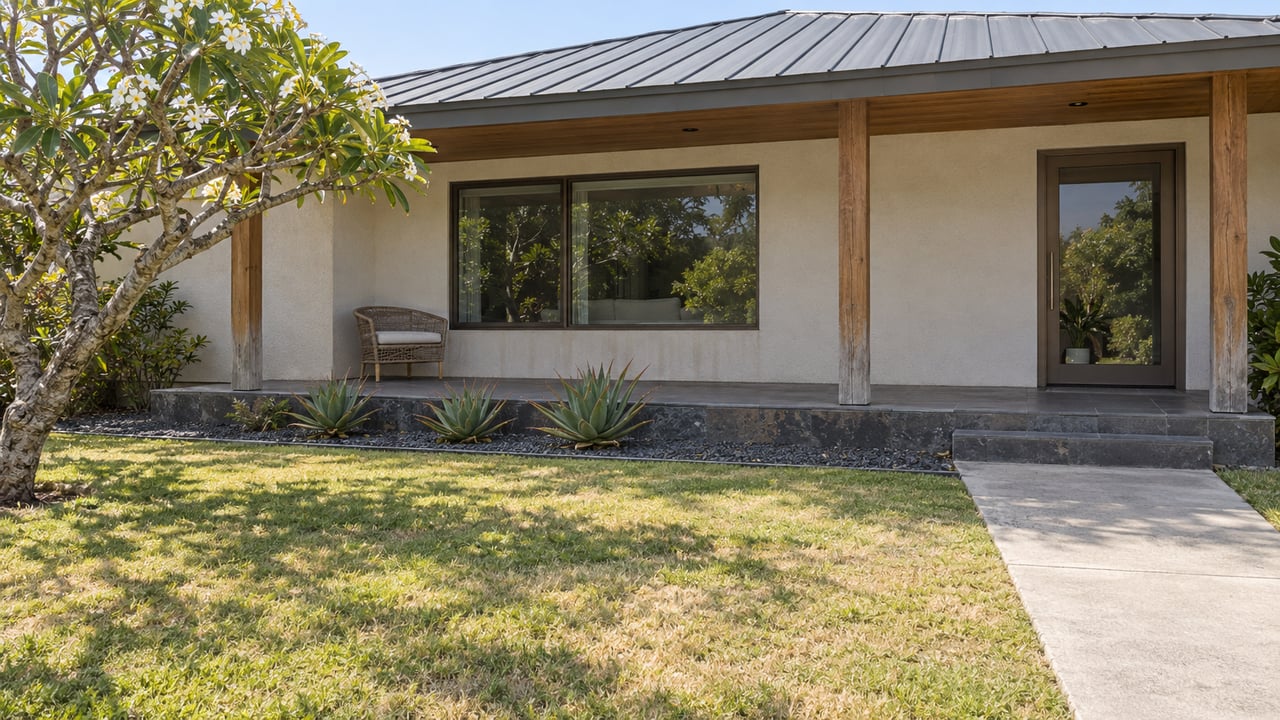
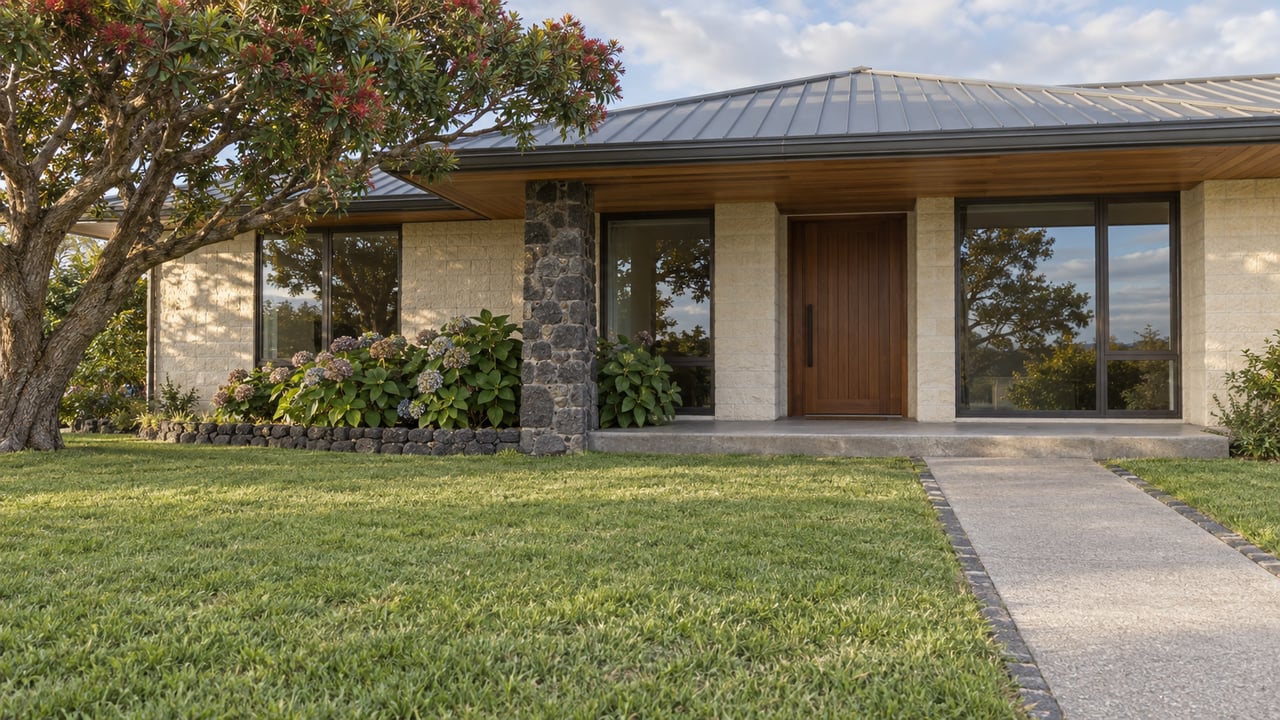
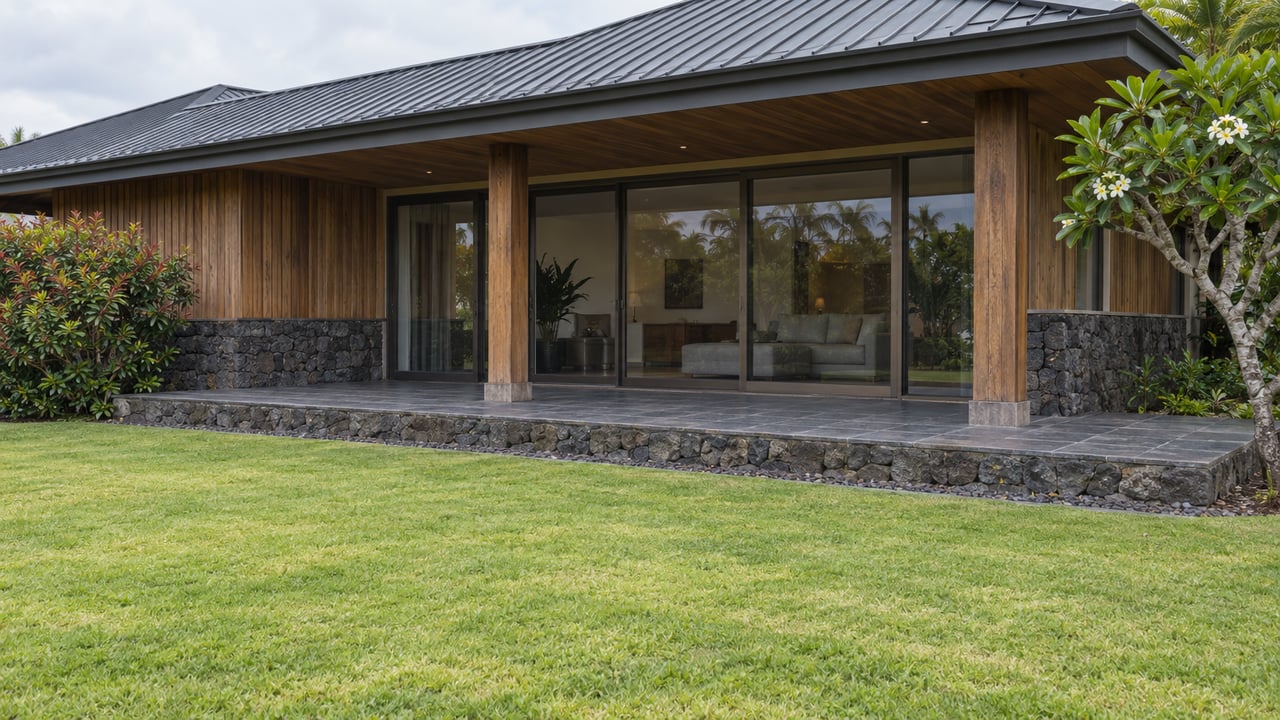
If you are trying to picture the housing stock, think older, lower-density, and mostly house-focused. Recent census-based summaries from City Stats show that 92.3% of Honokaʻa’s housing stock is single-family, 77.1% is owner-occupied, and the median year built is 1962. Those numbers point to a town with an established residential pattern rather than a condo-heavy or newly built environment.
That often shows up in how the area feels on the ground. You may notice weathered homes, varied lot shapes, visible topography, and a built environment shaped by the land itself. In and around the historic core, the Heritage Center’s building records describe smaller sloping lots and plantation-era mixed-use buildings, while areas beyond town tend to open up into a more rural feeling.
The town center and outskirts feel different
One of Honokaʻa’s strengths is that it offers more than one kind of setting. Near town, the environment feels tighter and more historic, with storefronts, older buildings, and a walkable main-street character. As you move outward, the atmosphere becomes more open, greener, and more agricultural in feel.
That contrast is important if you are considering a move. You are not just choosing a house. You are choosing whether you want to be closer to Honokaʻa’s historic center or nearer the broader coast, uplands, and rural edges that define so much of Hāmākua living.
Honokaʻa feels rural, but not cut off
A common question from buyers is whether Honokaʻa feels too remote for daily living. The better way to describe it is rural but connected. The County of Hawaiʻi transit system lists Route 60 for Hilo-Waimea and Route 76 for Greenline Honokaʻa-Kona, which shows that Honokaʻa is part of the island’s broader travel network.
The Honokaʻa Heritage Center also notes that Waimea-side attractions are about 20 minutes from town. That helps frame Honokaʻa as scenic and quiet without feeling fully isolated. Many day-to-day needs can be handled locally or nearby, while larger errands and appointments may naturally be grouped into trips to Waimea or Hilo.
Weather plays a real role in the lifestyle
On the Hāmākua Coast, weather is not just background. It is part of the experience. Because this is a windward part of the island, the greener landscape comes with more moisture, shifting cloud cover, and a stronger sense of seasonless but changing daily conditions.
For some people, that is exactly the draw. The mist, rainfall, and lush vegetation give the area a calm, grounded feel that is very different from drier parts of the Big Island. If you are drawn to dramatic greenery and a more nature-forward setting, Honokaʻa often delivers that in a very real way.
What life here often appeals to
Honokaʻa tends to resonate with people who want place to feel personal. It is often appealing if you value older homes, visible history, a strong connection to the land, and a day-to-day pace that feels less rushed. It can also be a fit if you want a small-town environment with access to scenic drives, parks, and local markets.
At the same time, it helps to arrive with the right expectations. Honokaʻa is not trying to feel like a resort corridor or a highly polished suburban community. Its appeal comes from authenticity, landscape, and the sense that the town has grown from real local history rather than being built all at once.
Why understanding the feel matters before you buy
When you are relocating or comparing Big Island areas, numbers alone rarely tell the whole story. The feel of a place matters just as much as square footage or lot size. In Honokaʻa, that feel is shaped by plantation-era town character, older single-family homes, green windward scenery, and a practical connection to nearby service areas.
If that lifestyle sounds like the right fit, it helps to work with someone who understands how these micro-markets differ from one another across the island. If you want help exploring Honokaʻa or comparing it with other Big Island communities, connect with Noelani Spencer for thoughtful local guidance tailored to your goals.
FAQs
What does daily life in Honokaʻa, Hawaii feel like?
- Daily life in Honokaʻa often feels quiet, scenic, and shaped by greenery, weather, historic town character, and a slower small-town rhythm.
How rural is Honokaʻa on the Hāmākua Coast?
- Honokaʻa feels rural and landscape-driven, but it is still connected to Hilo, Waimea, and Kona through road access and Hele-On bus routes.
What types of homes are common in Honokaʻa?
- Honokaʻa’s housing stock is mostly single-family, owner-occupied, and older, with census-based summaries showing a median build year of 1962.
What is there to do near Honokaʻa, Hawaii?
- Nearby activities include visiting farmers markets, exploring historic town sites, spending time at Kalōpā State Recreation Area, and driving south to ʻAkaka Falls State Park.
Is Honokaʻa a good fit for buyers seeking an older island town feel?
- Honokaʻa may appeal to buyers who want an established town with visible history, lower-density housing, and a strong connection to the land and local setting.