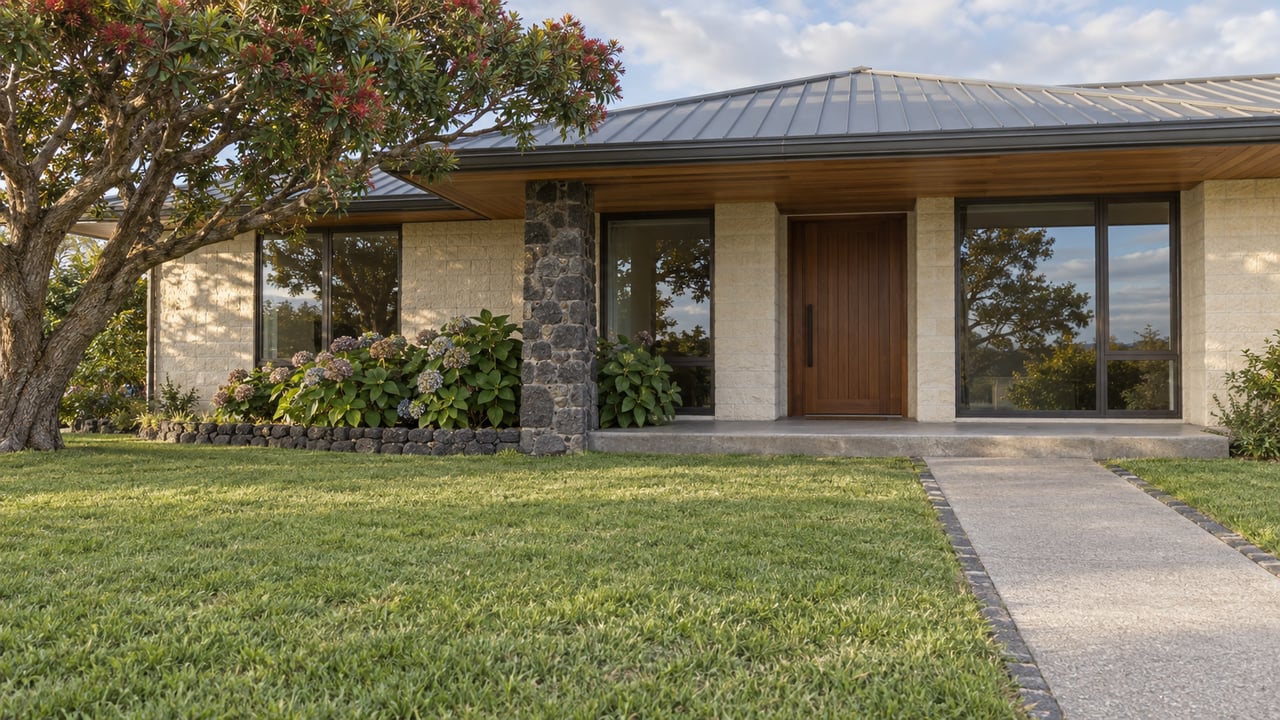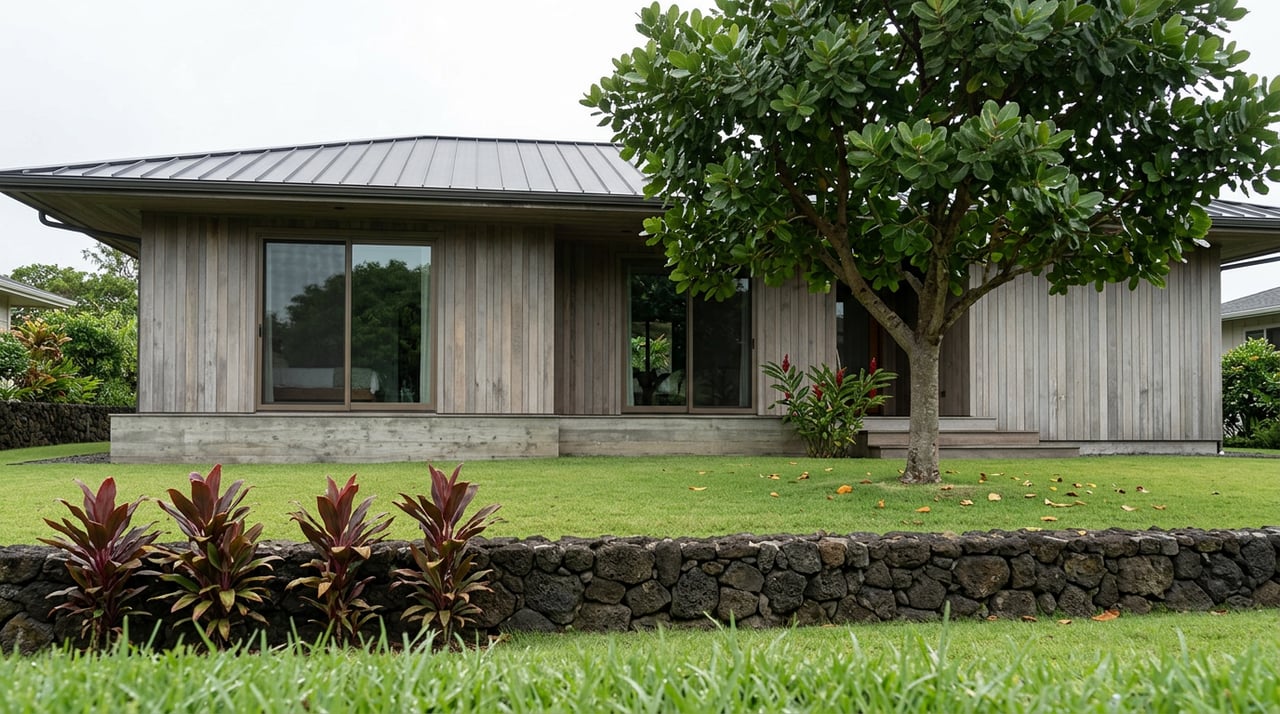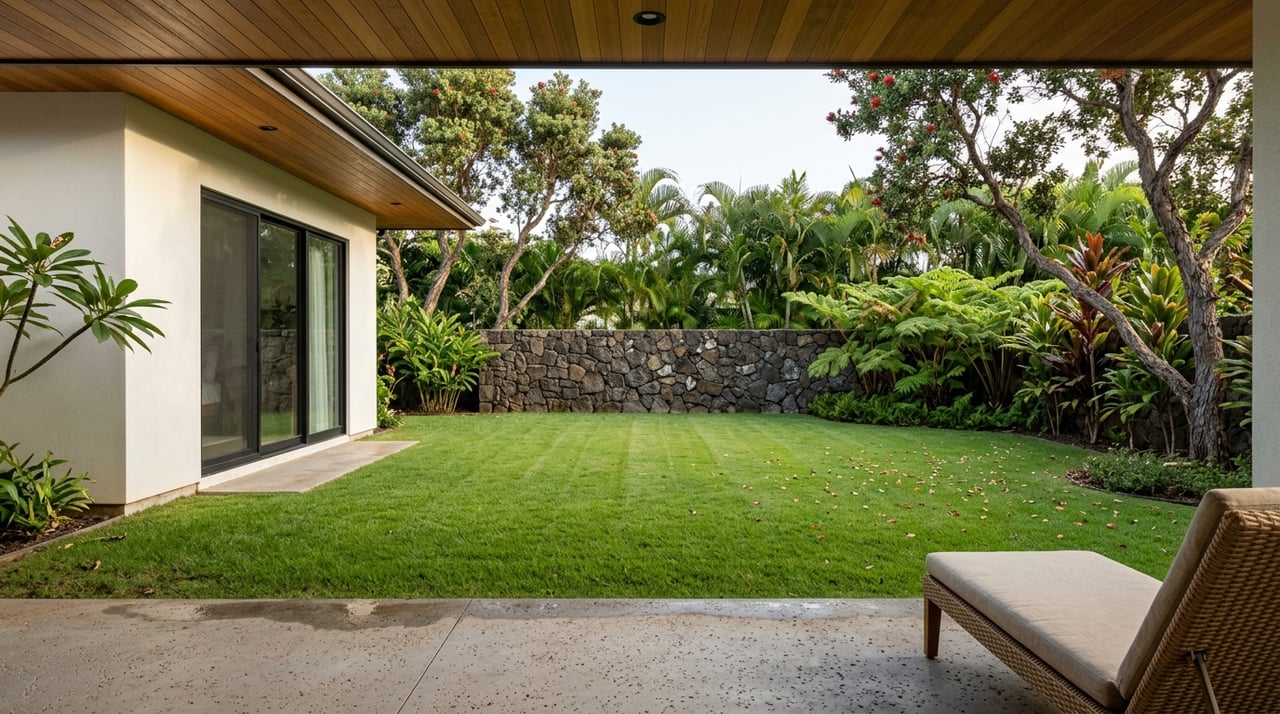
Trying to decide between Waimea ag land and an in-town home? On the surface, it can feel like a simple lifestyle choice. In reality, in the 96743 area, this decision often comes down to zoning, utilities, wastewater, and how you want to live day to day. If you understand those pieces early, you can make a smarter move with fewer surprises. Let’s dive in.
Start With Land Use
In Waimea, the choice between ag land and an in-town home is not just about square footage or scenery. Hawaiʻi County treats it as a land-use question shaped by State Land Use classifications, County zoning districts, and General Plan designations.
That matters because what you can do with a property depends on the parcel’s exact zoning, not just how the listing describes it. The County also says its zoning GIS layer is only a planning guide, so you should verify zoning directly with the Planning Department before you move forward.
Common Zoning Types in Waimea
For many buyers, an in-town home usually falls into a more traditional residential pattern. Acreage outside town is more likely to be in agricultural-oriented districts.
Here are a few common zoning categories that help frame the decision:
- RS: Lower and medium-density residential use for urban and suburban family life
- RA: Low-density rural residential and agricultural land where small farms are intermixed with housing
- FA: Family agricultural district with a 1-acre minimum
- A: Agricultural district with a 5-acre minimum
- IA: Intensive agricultural district with a 5-acre minimum
Two properties in the same part of Waimea can have very different rules. That is why parcel-by-parcel verification is so important.
Compare Daily Life
Your day-to-day experience can look very different depending on which path you choose. An in-town home usually offers a more conventional residential setup, while ag land may support a broader land-based lifestyle.
In agricultural districts, County use tables allow uses tied to farming, including crop production, nurseries and greenhouses, agricultural tourism, and farm dwellings. If you are thinking about keeping animals, gardening at scale, or shaping the property around agricultural use, zoning becomes a key part of the conversation.
When Ag Land May Be the Better Fit
Ag land often makes more sense if you want room and flexibility. It can also be a better match if you plan to build over time rather than move in right away.
You may lean toward ag land if you want to:
- Create a working farm or garden-focused property
- Keep animals, subject to parcel zoning and rules
- Build gradually with a long-term land plan
- Explore uses like greenhouses or nursery operations where allowed
- Prioritize space and stewardship over a simpler residential setup
If you want to add another dwelling on agricultural property, that may require a farm-dwelling agreement and evidence of an agricultural development or farm plan. Those requirements should be reviewed early, not after closing.
When an In-Town Home May Be Simpler
An in-town Waimea home often works better if you want a more immediate and straightforward move. In many cases, the infrastructure is already in place, and the residential use is more familiar.
You may prefer an in-town home if you want to:
- Move in sooner
- Have less land-management responsibility
- Reduce permitting and build-related complexity
- Focus on a conventional single-family residential setup
- Spend less time coordinating infrastructure questions
For many buyers, this path offers more predictability. That can be especially helpful if you are relocating or want to avoid a multi-stage project.
Look Closely at Water
Water is one of the biggest practical differences between Waimea ag land and an in-town home. The Hawaiʻi County Department of Water Supply operates 23 water systems islandwide, and Waimea is served through the South Kohala / Waimea-Kamuela system.
In April 2025, the Department of Water Supply issued a South Kohala conservation notice that included Waimea Town and Lālāmilo Farm Lots. The notice cited prolonged lack of rainfall and operational issues with the Waimea well.
Water Questions to Ask Early
Before you buy, find out exactly how the property is served. Do not assume a parcel has the same water setup as the one next door.
Ask these questions:
- Is county water already connected?
- If not, will you rely on private catchment or another system?
- Are there one-time connection or facilities charges?
- What recurring charges will apply?
- If agricultural water rates matter to you, do you meet the annual eligibility requirements?
The Department of Water Supply says water bills are issued every two months. It also notes that service may involve a $150 credit deposit, standby charges, consumption charges, power cost charges, and an energy CIP charge. For new service, there may also be service-lateral installation and facilities charges.
If you are counting on agricultural-use water rates, those are not automatic. Applicants must apply annually and show proof of commercial agriculture, stock raising, or dairy farming, and the Department reserves the right to limit agricultural water during shortages.
Wastewater Can Change the Math
Wastewater is another major part of this decision. The County maintains wastewater service-area locations and sewer network maps, which means sewer availability should be verified parcel by parcel.
This is especially important when comparing raw land or rural acreage with an in-town home. A property’s wastewater setup can affect cost, timing, and what improvements may be needed later.
Why Cesspool Rules Matter
The Hawaiʻi Department of Health says new cesspools are prohibited statewide. It also says existing cesspools must be converted or upgraded by 2050.
In some cases, building modifications or other changes can trigger an earlier upgrade requirement. For buyers, that means you should know exactly what wastewater system is on the property before you commit.
A simple due diligence checklist includes:
- Confirm whether the property is in a sewer service area
- Identify whether the property uses sewer, septic, or cesspool
- Ask whether any planned changes could trigger an earlier wastewater upgrade
- Factor possible infrastructure costs into your budget and timeline
Think About Commute and Access
Waimea is not usually a market where transit replaces the car for most daily needs. Hele-On Route 75 runs between North Kohala, Waimea, South Kohala Resorts, and Kailua-Kona, and Route 80 runs between Hilo and South Kohala Resorts with Waimea stops.
The County notes that those schedules are approximate and may change based on traffic, weather, and other conditions. For many buyers, that means commute planning is still mostly a vehicle-based decision.
Car Dependence Feels Different by Property
This matters more than many buyers expect. A home in town may place you closer to the services and routines you use most often, while acreage outside town may add more drive time and coordination.
If you are comparing two properties, think about your real weekly pattern, not just the map. Consider work, errands, appointments, and the places you expect to visit often.
Ask These Questions Before You Choose
When you compare ag land and an in-town home in Waimea, your best decision usually comes from asking practical questions early. The goal is not just to find a beautiful property. It is to find the right fit for your timeline, budget, and long-term plans.
Here are some of the most important questions to ask:
- What is the parcel’s exact zoning, and what uses does it allow?
- What is the minimum site size tied to that zoning?
- Is water already available, and under what terms?
- What wastewater system serves the property?
- Can you keep animals or pursue agricultural uses on the parcel?
- If you want another dwelling, will a farm-dwelling agreement or farm plan be required?
- How car-dependent will your daily life be in this location?
These are the details that shape real ownership experience in Waimea. Getting them answered up front can help you avoid expensive surprises later.
Match the Property to Your Goals
If you want room to farm, build gradually, or create a land-based lifestyle, ag land may be the better fit. If you want faster occupancy, fewer infrastructure questions, and a more conventional residential setup, an in-town home may serve you better.
Neither option is automatically better. The right choice depends on how you want to live, what level of project complexity you can take on, and whether the property already supports your plans.
In Waimea, that local, parcel-specific guidance matters. If you want help comparing land, homes, zoning questions, or build-readiness in 96743, connect with Noelani Spencer for grounded, local guidance tailored to your goals.
FAQs
What does zoning mean for a Waimea ag land purchase?
- Zoning helps determine what uses are allowed on the parcel, including residential, agricultural, and farm-related uses, and the County says buyers should verify zoning directly with Planning.
What should you check about water before buying property in Waimea?
- You should confirm whether county water is connected, whether private catchment or another system is involved, what fees may apply, and whether agricultural-rate eligibility is relevant to your plans.
What wastewater issue matters most when comparing Waimea ag land and in-town homes?
- You should identify whether the property uses sewer, septic, or cesspool, because new cesspools are prohibited and existing cesspools must be converted or upgraded by 2050.
What is the difference between Waimea in-town home zoning and agricultural zoning?
- In-town homes are often tied to residential districts like RS, while acreage may fall under RA, FA, A, or IA districts that can allow broader agricultural uses depending on the parcel.
How important is commute planning for a Waimea property choice?
- It is very important because bus service is route-based and approximate, so most buyers should evaluate the property with realistic vehicle-based travel in mind.
What questions should you ask before buying Waimea agricultural land?
- You should ask about exact zoning, allowed uses, minimum lot size, water availability, wastewater type, animal or farm use rules, and whether future dwellings require a farm plan or farm-dwelling agreement.