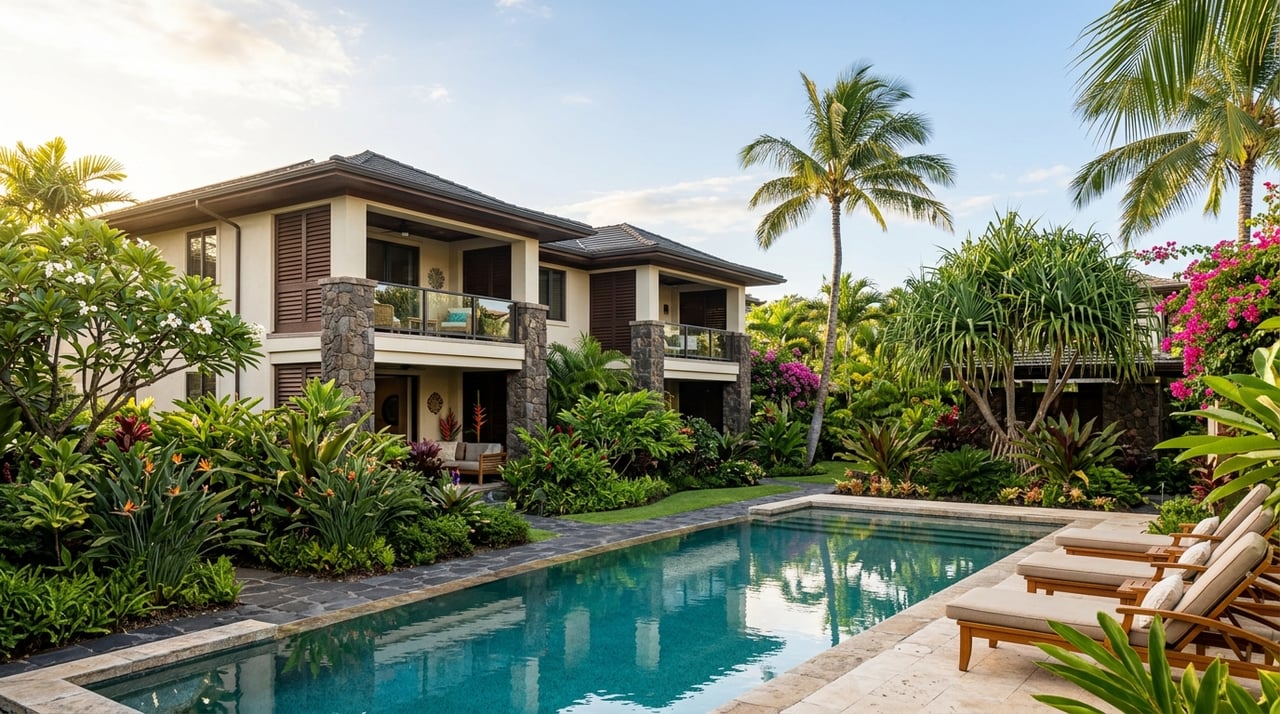
Wondering what condo living in Kailua-Kona really feels like once the daydream meets daily life? If you are picturing ocean breezes, walkable shoreline access, and less yard work, you are not far off, but the full story also includes HOA rules, shared amenities, reserve planning, and building-specific tradeoffs. When you understand how these pieces work together, you can choose a condo that fits how you actually want to live. Let’s dive in.
Why Kailua-Kona condo living stands out
Kailua-Kona condo living is closely tied to the coast, especially along Aliʻi Drive. The county’s master plan treats this corridor as central to the Kona way of life, with an ocean-oriented and pedestrian-focused feel that shapes the experience of living there.
The climate also plays a big role in everyday routines. NOAA climate normals for Kailua Kona Ke-Ahole Airport show an annual mean temperature of 78.2°F, which helps explain why outdoor living is part of daily life instead of just a weekend bonus.
What everyday life often feels like
For many condo owners, daily life is built around simple indoor-outdoor routines. You may start your morning on the lanai, keep windows open for breezes, and plan your day around quick access to the shoreline, nearby parks, or shared property amenities.
Many Kailua-Kona condos are designed to make the most of compact space. Common layouts often emphasize efficient floor plans, lanais, views, and a strong connection between interior rooms and the outdoors.
That can be a great fit if you want lower-maintenance living. Instead of caring for a large yard, you are more likely to spend your time enjoying the coastline, pool area, walking routes, or nearby recreation.
Parks and recreation near condos
Public recreation is a meaningful part of condo life in Kona. The County of Hawaiʻi’s Kailua Park complex includes the Kona Community Aquatic Center, Old Kona Airport Beach Park, a walking and jogging path, tennis and pickleball courts, basketball courts, a swimming pool, restrooms, and other shared recreation space.
Along Aliʻi Drive, Kahaluʻu Beach Park offers shoreline access, BBQ pits, a pavilion, and restrooms. Waiʻaha Beach Park adds another nearby beach-park option with restrooms, giving condo owners more than one way to enjoy the coast as part of a normal week.
These nearby spaces help shape the rhythm of living in Kailua-Kona. Condo life here is not just about what is inside your unit. It is also about how easily you can step outside and enjoy the public spaces around you.
Ocean access is a lifestyle and a tradeoff
One of the biggest draws of condo living in Kailua-Kona is closeness to the ocean. The county shoreline-access guide for North Kona lists several condominium-adjacent shoreline areas along Aliʻi Drive, which shows how woven ocean access can be into daily life.
At the same time, that access is not always effortless. The same county guide repeatedly notes limited parking, hazardous footing, and strong currents or waves at some access points, so living near the ocean does not always mean easy or safe entry into the water every day.
This is one of the most important mindset shifts for buyers. A great oceanfront or shoreline-adjacent condo is not just about the view. It is also about understanding the exact access conditions around that building and whether they match your routine and comfort level.
How condo ownership works in Hawaii
In Hawaiʻi, condominium ownership means you own your unit separately while sharing ownership of common elements with other owners. State law also recognizes limited common elements, which are reserved for the exclusive use of particular units.
This shared structure affects daily life more than many buyers expect. The association operates the property, while each unit owner is responsible for the maintenance, repair, and replacement of the owner’s unit.
The association may also regulate the use, maintenance, repair, replacement, and modification of common elements. It can also charge fees for their use or operation, which is why reading condo documents carefully matters just as much as liking the finishes inside the unit.
What HOA life really means
Condo associations in Hawaiʻi are largely self-governing, with limited government intervention. The Department of Commerce and Consumer Affairs says board meetings are open to members, meeting notices are required, and maintenance-fee increases require advance written notice.
If issues come up, disputes may be handled through mediation or arbitration. That means association life has a real structure behind it, and it is worth paying attention to how the board communicates, plans, and manages the property.
As a buyer, you should expect the declaration, bylaws, house rules, budgets, reserve materials, financial statements, contracts, and ledgers to matter. These documents can tell you a lot about how the property is run and whether the community is a good operational fit for you.
Why reserves matter so much
Reserve planning is one of the biggest parts of the condo ownership experience in Hawaiʻi. State law requires budgets to include reserve information based on a reserve study, and the DCCA explains that reserve studies are meant to prepare for major future expenses like roofs, elevators, plumbing, windows, and electrical systems.
This matters because monthly dues only tell part of the story. A fee that looks low at first glance may not reflect the true long-term cost of maintaining pools, elevators, landscaping, and major building systems.
The DCCA also notes that insufficient reserves can lead to special assessments. In practical terms, healthier reserves can lower the chance of a surprise large bill later, which is why reserve health should be part of your condo review from the start.
Condo amenities can vary a lot
Not every Kailua-Kona condo community offers the same experience. Some properties are more straightforward and residential, while others feel much more resort-like in their amenity mix and services.
For example, some condo-style projects in Kona may include features such as pools, a hot tub, barbecue grills, a tennis or pickleball court, parking, and proximity to shops, restaurants, and beaches. Some may also offer operational features like front desk service, luggage storage, or concierge-type support.
That range matters because it affects both lifestyle and cost. If you want a simple home base, one type of property may fit you better. If you want a second home or a more service-oriented setup, another type may make more sense.
Monthly dues and real costs
HOA dues are part of the real cost of condo living in Kailua-Kona. Hawaiʻi law ties assessments to an adopted budget and reserve plan, and metered utilities may also be collected in the same way as common-expense assessments.
That means your monthly number should always be viewed in context. You are not just paying for current operations. You may also be contributing toward long-term repairs, shared amenities, and building-wide systems that directly affect your day-to-day experience.
When comparing condos, it helps to ask what the dues are supporting and whether the association appears to be planning responsibly. The goal is not simply to find the lowest fee. It is to understand the full ownership picture.
Rental rules need careful review
If rental flexibility matters to you, this is an area where details count. Hawaiʻi County says a short-term vacation rental permit may be required, and the county defines a transient vacation rental as a stay of less than 180 consecutive days.
That is only part of the picture, though. A condo’s declaration, bylaws, and house rules may be stricter than county rules, so buyers need to verify both the local rules and the specific rules of the building.
This is especially important if you are thinking about part-time use, a second home, or vacation-rental income. The right condo for you is the one that supports your intended use on paper, not just in theory.
How to choose the right Kona condo
The best condo in Kailua-Kona is not automatically the one with the biggest ocean view. It is the one that lines up with your budget, your day-to-day routine, and your comfort level with the building’s rules, maintenance structure, and shoreline conditions.
As you compare options, focus on a few practical questions:
- How do you want to spend your time each day?
- Do you want simple residential living or a more amenity-rich setting?
- Are the HOA dues supported by solid reserves and clear budgeting?
- What does shoreline access actually look like at this building?
- Do the condo documents support your intended use of the property?
Those questions can help you move past the dream image and into a smart decision. In Kailua-Kona, condo living can be a wonderful low-yard-maintenance, high-lifestyle choice when the property fits the way you really want to live.
If you want help comparing condo options in Kailua-Kona and sorting through the details that matter most, Noelani Spencer can help you look beyond the view and evaluate the full lifestyle, rules, and ownership picture.
FAQs
What is condo living like in Kailua-Kona day to day?
- Condo living in Kailua-Kona often centers on indoor-outdoor routines, shared amenities, nearby parks, and shoreline access, with less yard maintenance than a typical single-family property.
What do HOA fees cover in Kailua-Kona condos?
- HOA dues are tied to the association’s adopted budget and reserve plan and may help cover common expenses, shared amenities, long-term repairs, and sometimes metered utilities.
What should you review before buying a condo in Kailua-Kona?
- You should review the declaration, bylaws, house rules, budget, reserve materials, financial statements, contracts, and ledgers to better understand how the property is governed and maintained.
What are the ocean access tradeoffs for Kailua-Kona condos?
- Condo-adjacent ocean access can be a major lifestyle benefit, but some shoreline areas have limited parking, hazardous footing, and strong currents or waves.
What should buyers know about Kailua-Kona condo rental rules?
- Buyers should verify both Hawaiʻi County rules and the condo association’s own documents, since a short-term vacation rental permit may be required and building rules may be stricter than county rules.