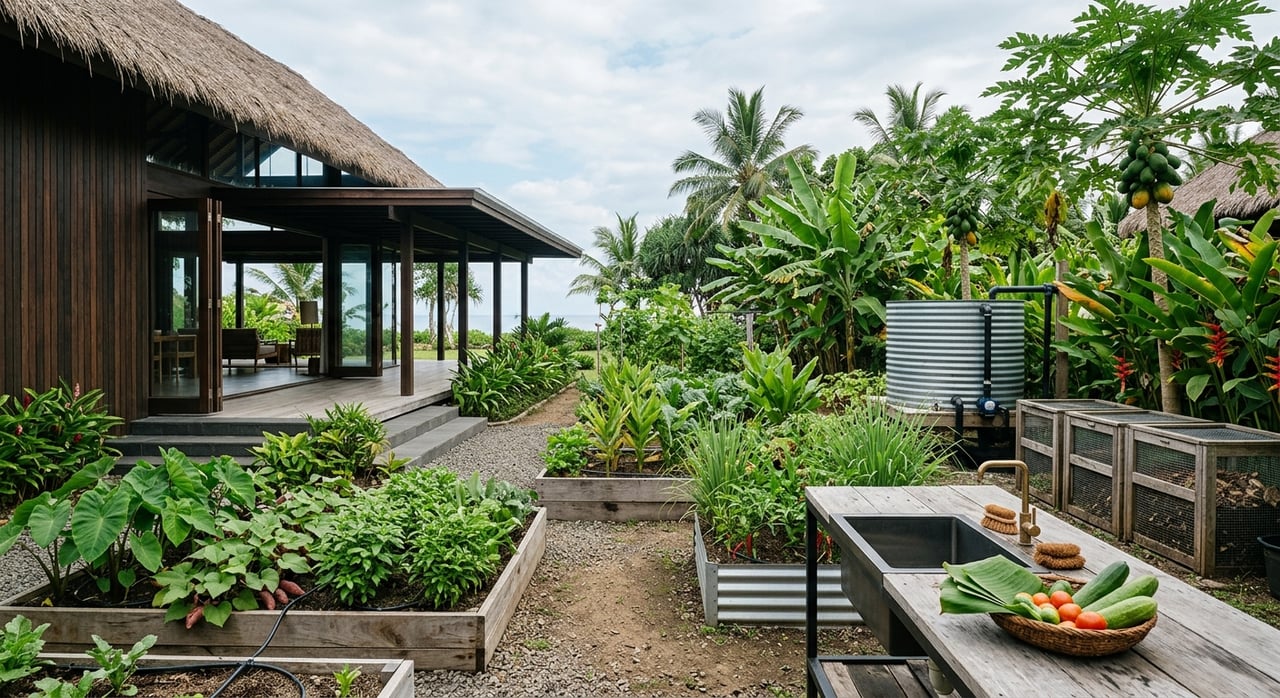
Dreaming about a few acres near Hawi? The views, open space, and slower pace can be a real draw, but small-farm living here is usually much more hands-on than many buyers expect. If you are considering acreage in North Kohala, it helps to understand the daily work, the county rules, and the due diligence that can make or break your experience. Let’s dive in.
Hawi farm life starts with reality
Hawi sits in North Kohala, a rural district with a strong agricultural base, cultural heritage, and small-town feel. The North Kohala Community Development Plan describes the area as a place shaped by open space, natural resource protection, respect for neighbors, and honoring the past.
That matters because buying land here is not only about what looks beautiful on showing day. It is also about how you will care for the land, how the property functions, and how your plans fit into the area’s broader values of stewardship and agriculture.
Small-farm living is active work
One of the biggest misconceptions about small-farm life near Hawi is that it works like a scenic backyard with a few fruit trees. In practice, it is often a repeating cycle of irrigation, soil care, pest management, fertilizing, and cleanup.
University of Hawaiʻi CTAHR guidance for growers emphasizes nutrient budgeting, soil amending, supplemental fertilizing, irrigation, tillage, and farmscaping that supports beneficial insects. In other words, a productive property usually needs systems, routines, and consistent attention.
Weather adds another layer. Hawaiʻi’s climate varies sharply from place to place because of topography and trade wind patterns, and rainfall can change significantly across short distances. That means two properties near each other may still have very different day-to-day farming needs.
Expect ongoing pest and safety tasks
On a working small-farm property, pest control is not a one-time fix. CTAHR materials for Hawaiʻi growers address rodent control around sheds and packing areas, safe pesticide use, and rat-lungworm prevention.
The rat-lungworm guidance says slug and snail management should be part of a regular overall pest management program. Pesticide guidance also stresses following label directions closely for dosage, frequency, application method, and reentry periods.
For a buyer, the key takeaway is simple: acreage often comes with operational responsibility. You are not just buying scenery. You are buying a living environment that needs active management.
North Kohala has deep agricultural roots
If you want small-farm living near Hawi, it helps to understand the local context. North Kohala’s history includes Native Hawaiian subsistence farming, plantation agriculture, and post-plantation adaptation, along with a longstanding culture of sharing, bartering, and helping one another harvest.
The county agriculture development plan supports diversified agriculture and includes a goal for Kohala to produce 50% of the food it consumes. That backdrop helps explain why many people are drawn to this part of the island for a more connected, land-based lifestyle.
At the same time, that history is also a reminder that farming here is not just an aesthetic. It is part of the district’s identity, and land use decisions are shaped by that reality.
Agricultural land is not a blank slate
Acreage near Hawi may look flexible, but agricultural parcels are not treated like ordinary residential lots. Hawaiʻi County zoning rules for agricultural districts set standards for things like yards and livestock setbacks, and they limit how dwellings can be established on a building site.
In county agricultural zoning such as the FA district, the code allows one single-family dwelling or one farm dwelling on a building site. Additional dwellings are not automatic and may require a farm dwelling agreement tied to an agricultural development and use program or farm plan.
County code defines a farm dwelling as a single-family dwelling used in direct connection with a farm, and it can include employee housing. That is an important distinction if you are assuming a parcel can be used like a typical multi-home residential property.
Additional dwellings require documentation
The county’s Additional Farm Dwelling Agreement application gives a good picture of what the county expects from an operating farm. The application asks for information on crops or livestock, land area, labor hours, income, a timetable, and vendors or markets.
It also requires a scaled site plan showing existing and proposed buildings, accessory structures, roads and driveways, fencing, wastewater disposal systems, and all dwellings. That is a strong signal that the county views these properties as operational agricultural sites, not decorative acreage.
If you are considering a property because of future expansion potential, this is a critical area for due diligence. You want to verify what is currently permitted, what is documented, and what would be required for any future plans.
Water may be the biggest question
For many buyers, water is the most important realism check for small-farm living near Hawi. University of Hawaiʻi climate data notes that rainfall in Hawaiʻi ranges from less than 10 inches to more than 400 inches per year, with steep gradients caused by complex topography and the trade wind inversion.
That means you cannot assume a parcel’s water picture based on a general impression of the area. You need property-specific clarity on supply, storage, and how the land has actually been supported.
State sources also note that North Kohala agricultural users have lacked a reliable and economical water source since damage to the Kohala Ditch in April 2021. Many users shifted to more expensive county domestic water, and the state announced in 2024 that improvements to the ʻUpolu Well would begin to create an agricultural water source for the region.
This does not mean every parcel has the same challenge, but it does show why water deserves close review before you fall in love with the idea of farming. A beautiful piece of land can feel very different once you start pricing out how it will function.
Ask practical water questions early
Before moving forward on a Hawi-area farm property, consider asking questions like:
- What is the current water source for the parcel?
- Has the property relied on agricultural water, county domestic water, catchment, or another system?
- What existing infrastructure supports the land?
- How does the current or intended use line up with realistic water availability?
One example of the kind of infrastructure that may support working land in North Kohala is the ʻUpolu Well project, which includes a pump, storage tank, watermains, access road, and perimeter fencing. Not every property will have anything like that in place, but it shows the level of systems that can matter on agricultural land.
Infrastructure matters more than buyers think
When people imagine country living, they often focus on the house site, the views, or the orchard potential. In real life, roads, driveways, fencing, access, and wastewater systems can have just as much impact on how usable a property feels.
The county’s farm dwelling application process specifically calls out roads and driveways, fencing, wastewater disposal systems, and scaled site planning as part of the review package. That tells you these are not side issues. They are part of whether the property can operate well.
If you are evaluating land or a small farm, it is worth looking beyond the listing photos. Ask yourself how equipment, supplies, workers, or routine maintenance would actually move through the property.
Crop and livestock plans should be realistic
Hawaiʻi County’s tax definitions show the broad range of uses that can fall under agricultural activity. Continuous and regular agricultural use includes recurring planting, cultivation, harvesting, and ongoing animal husbandry or aquaculture.
The county also defines intensive agriculture to include uses such as vegetables, ginger, taro, herbs, nurseries, foliage, cut and potted flowers, piggeries, dairy, poultry, aquaculture, honey, and bees. Diversified agriculture is defined as a blend of agricultural activities.
That variety can be exciting, but it should also push buyers to think clearly. The right question is not just What would be fun to grow? It is What can this specific property realistically support based on water, labor, infrastructure, and county rules?
Stewardship is part of the lifestyle
North Kohala planning documents repeatedly emphasize stewardship, open space, cultural resources, and the district’s rural character. The area is described as a cultural and historical preservation community, and land decisions are expected to consider impacts on cultural sites and resources.
For buyers, this means small-farm living near Hawi works best when approached with respect for place. The lifestyle can be deeply rewarding, but it is not just about private enjoyment. It is also about how your land use fits into a long-standing agricultural and community landscape.
What smart buyers verify before buying
If you are serious about Hawi-area acreage, a practical review can save you time, money, and frustration. Before you romanticize the property, it helps to verify the basics.
A strong due diligence checklist may include:
- Water source and reliability
- Agricultural zoning and allowed uses
- Existing dwelling permissions and any farm dwelling agreements
- Access, roads, and driveways
- Fencing and boundary functionality
- Wastewater systems
- Pest management needs
- The realism of any crop or livestock plan
This is where local guidance can make a real difference. A property may sound simple in a listing, but the real story usually lives in the details.
If you are exploring small-farm living near Hawi, working with someone who understands Big Island land, operations, and project planning can help you ask better questions from the start. When you are ready to talk through acreage, farm property, or land-buying strategy in North Kohala, connect with Noelani Spencer.
FAQs
What does small-farm living near Hawi involve day to day?
- Small-farm living near Hawi typically involves ongoing irrigation, soil care, fertilizing, pest management, and cleanup rather than a low-maintenance hobby setup.
What should buyers know about water for Hawi farm properties?
- Buyers should verify the actual water source, reliability, and supporting infrastructure because North Kohala has faced agricultural water challenges and rainfall can vary sharply from one area to another.
What are farm dwelling rules on agricultural land near Hawi?
- On county agricultural land such as the FA district, one single-family dwelling or one farm dwelling may be allowed on a building site, while additional dwellings may require a farm dwelling agreement and a supporting agricultural development and use program or farm plan.
Why is due diligence important for Hawi acreage?
- Due diligence is important because agricultural parcels may involve zoning limits, water questions, site infrastructure needs, pest management responsibilities, and documentation requirements that do not apply in the same way to a typical residential lot.
What kinds of agriculture are recognized in Hawaiʻi County?
- Hawaiʻi County recognizes a wide range of agricultural uses, including crops, animal husbandry, aquaculture, nurseries, flowers, honey, and diversified agriculture that blends multiple activities.
Why does stewardship matter when buying land near Hawi?
- Stewardship matters because North Kohala planning priorities emphasize open space, cultural resources, natural resource protection, rural character, and respect for the broader community landscape.