Wondering why two homes in Hawi can feel completely different, even when they are close to each other? In this part of North Kohala, your decision is often about more than beds, baths, and price. You also need to understand historic home styles, zoning, water, wastewater, and access before you decide what fits your goals. If you want to buy with more clarity and fewer surprises, this guide will help you read Hawi listings with a more informed eye. Let’s dive in.
Why Hawi feels different
Hawi sits within North Kohala, where today’s landscape reflects Native Hawaiian subsistence land use, the sugar plantation era, and the post-plantation period. The North Kohala Community Development Plan also emphasizes preserving the area’s rural character, open space, and historic identity. For you as a buyer, that means the housing stock often reflects local history as much as modern housing trends.
This is one reason Hawi does not always look or function like a more typical suburban market. You may find legacy homes, older settlement patterns, and parcels tied to agricultural or rural use. In practical terms, the home itself is only part of the story.
Hawi home styles buyers may see
Plantation-era homes
Hawi includes historic properties listed on the Hawaiʻi State Register, including the Hashimoto House, the James M. Hind Residence, and the Hawi Plantation Manager’s Residence. These listings show that the area includes both worker-scale and manager-scale plantation housing. That variety can create a wide range of home sizes, layouts, and visual character.
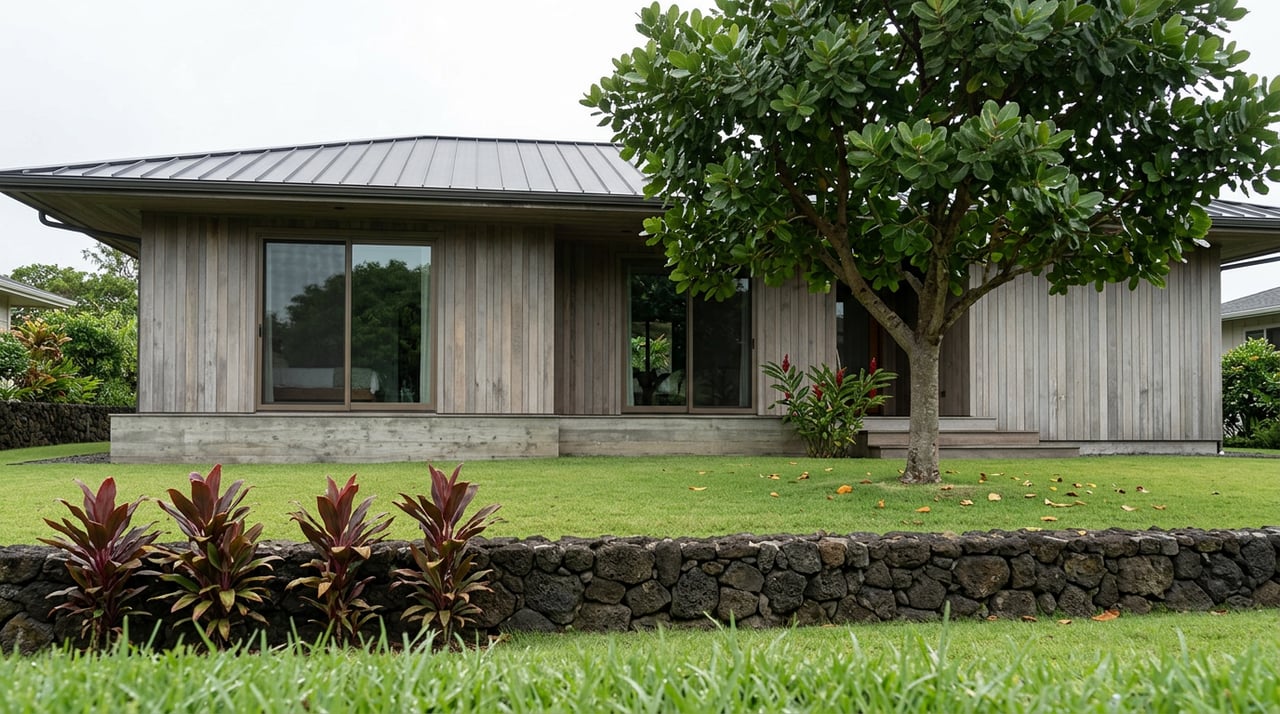
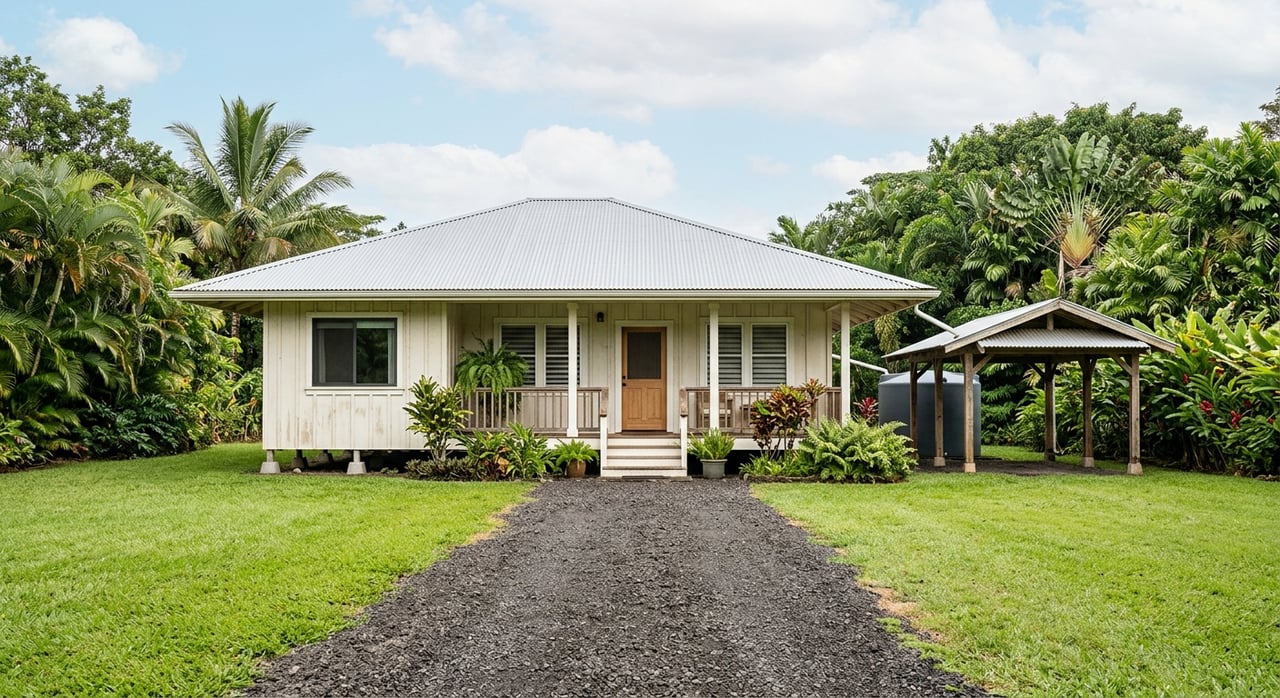
State historic preservation materials describe plantation vernacular homes as modest, functional structures. Common features include single-wall construction, standardized doors and windows, exposed rafter tails, and hipped or gable-on-hip roofs. Many also had small cottage-like forms and a front lanai.
For you, this often means an older home with a simpler roofline and a more compact feel than a newer build. Some buyers love that historic charm and scale, while others want more modern layouts and systems. Either way, it helps to know what style you are looking at before you compare one listing to another.
Worker cottages and larger historic homes
Hawi’s historic housing mix may include smaller early-twentieth-century plantation worker homes as well as larger manager residences. The Seichi Hashimoto House is identified by the Historic Hawaiʻi Foundation as an early plantation worker’s house, while the state register also documents the Hawi Plantation Manager’s Residence nearby. That mix matters because homes in the same broader area can have very different original purposes and footprints.
If you are comparing older homes, look beyond finishes and staging. Pay attention to the home’s likely era, scale, and original design intent. That can help you better understand layout tradeoffs, future maintenance, and renovation potential.
Newer homes on rural land
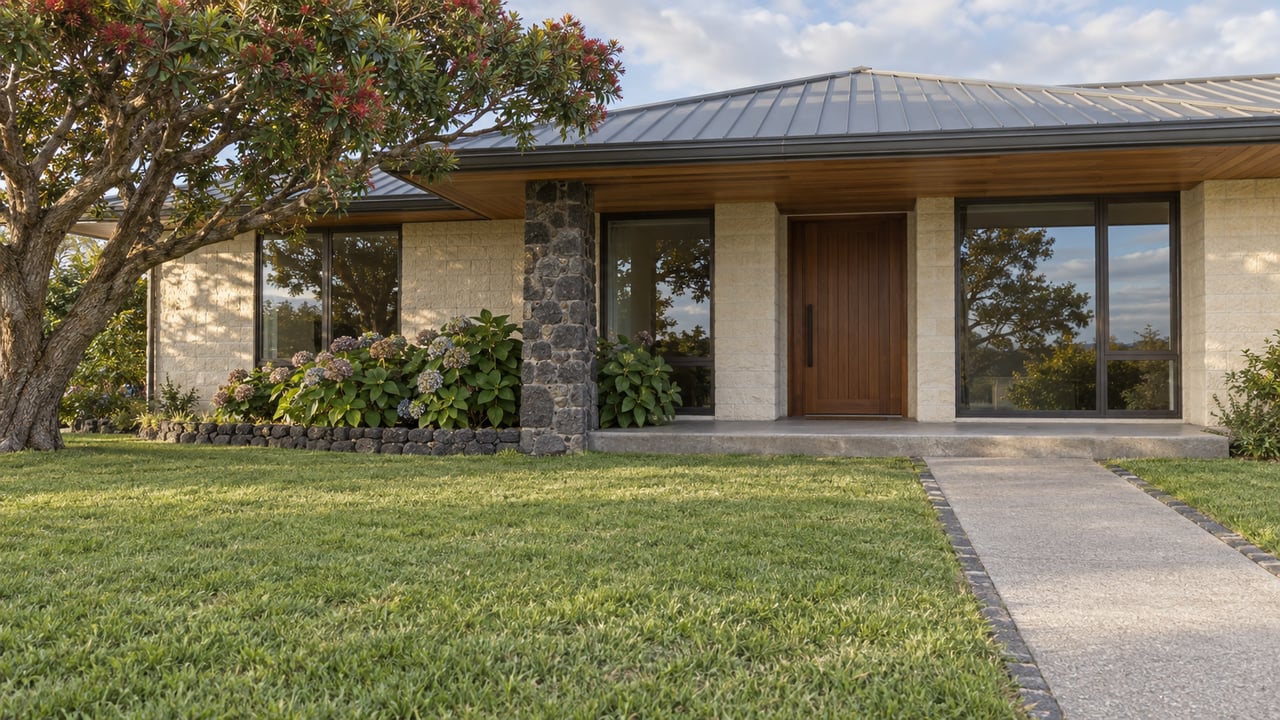
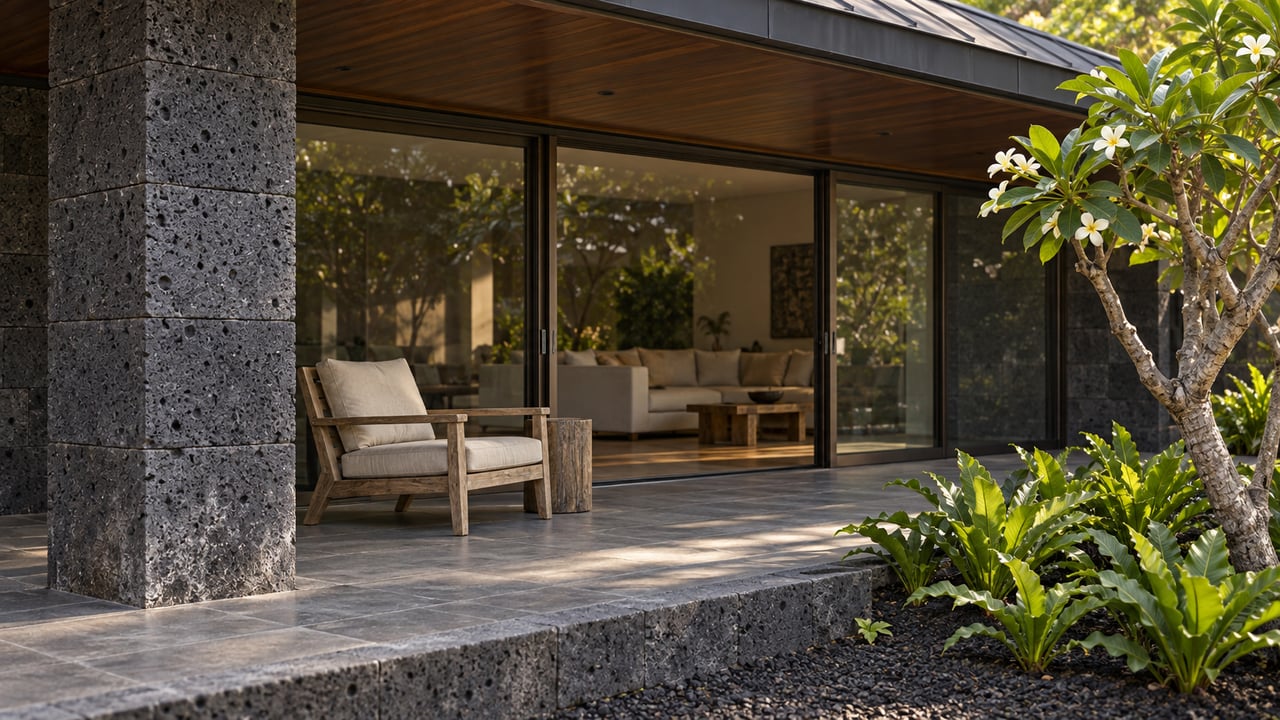
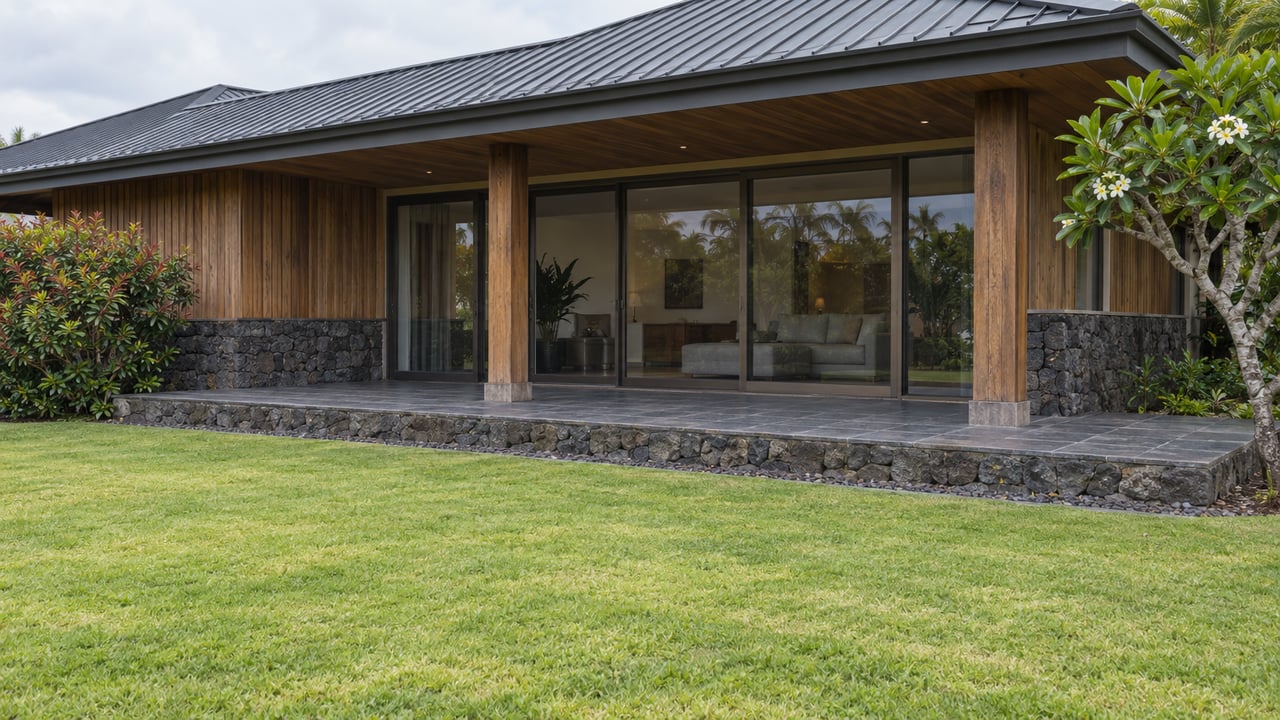
Outside the town core, larger rural parcels become more common. North Kohala planning documents emphasize ranching, agriculture, and open space, which supports the expectation that you may also encounter more contemporary custom homes on acreage. These properties often appeal to buyers who want more land, privacy, or flexibility for agricultural use.
That said, a larger parcel does not automatically mean simple building or expansion options. In Hawi, land use, water, access, and wastewater details can all shape what is realistic on a specific property. This is where lot type matters just as much as home style.
Hawi lot types explained
RS lots
RS stands for Single-Family Residential. Under Hawaiʻi County code, this district is intended for lower to medium-density residential use, with a minimum building site area of 7,500 square feet.
RS zoning can allow a single-family dwelling, one guest house, and an accessory dwelling unit. If you are looking at an in-town Hawi property, RS may point to a more compact residential lot that still offers some flexibility. You will still want to confirm what is allowed on the specific parcel.
RA lots
RA stands for Residential and Agricultural. This district is intended for rural areas where small farms are intermixed with low-density homes, and the minimum building site area is 0.5 acre.
RA zoning allows uses such as single-family dwellings, crop production, agricultural tourism, and accessory dwelling units. If a listing is zoned RA, that usually signals a property designed to balance residential living with lighter agricultural use.
FA lots
FA means Family Agricultural. County code describes this district as a blend of small-scale agricultural operations and residential activity, including farm estates, small-acreage farms, and subsistence lots. The minimum building site area is 1 acre.
For many buyers, FA can be a useful middle ground. It may offer more usable land than a smaller residential lot without requiring the jump to a much larger agricultural parcel.
A lots
A stands for Agricultural, with a minimum building site area of 5 acres. County code permits one single-family dwelling or one farm dwelling on a building site. Additional farm dwellings require a farm-dwelling agreement and agricultural-use documentation.
If you are shopping for a larger working-land property or planning a more involved build strategy, this zoning often deserves extra review. It can be a strong fit for buyers who want land, but it also tends to call for a more deliberate planning process.
IA lots
IA stands for Intensive Agricultural. Like A zoning, it has a 5-acre minimum building site area, but it is designed for more intensive agricultural use and larger setbacks for agricultural structures.
For you, IA usually reads as a stronger working-land designation rather than a simpler residential lot. If your goals are primarily residential, it is especially important to understand how that zoning fits your intended use.
MLS details that matter in Hawi
Water service
Water is one of the most important issues to review in Hawi. The County general plan states that North Kohala obtains water primarily from two wells and a spring. The North Kohala Community Development Plan also reported that the district was historically limited to one water meter per lot of record and 400 to 600 gallons per day, enough for one single-family residence.
This context helps explain why vacant land, additional dwellings, or larger remodel plans may feel more complex here than in other areas. If you are considering a property, verify the current Department of Water Supply status for that specific parcel before making assumptions.
Wastewater systems
Wastewater is another key item, especially on older or more rural properties. Hawaiʻi law currently requires most cesspools to be upgraded or converted to a director-approved wastewater system, or connected to sewer, by January 1, 2050.
If a listing does not clearly identify whether the property uses septic, cesspool, or another system, treat that as an important follow-up question. For a Hawi buyer, this can affect future costs, planning, and long-term ownership decisions.
Easements and access
Some Hawi parcels may rely on a roadway easement instead of direct street frontage. Under county zoning rules, that is not automatically a problem. It simply means you need to understand the access arrangement clearly.
If you see MLS remarks about private access, shared driveways, or easements, slow down and review the details. Access can shape everything from daily use to future development plans.
CPR ownership
If a listing is described as a CPR, it is not the same as a standard fee-simple lot. In Hawaiʻi, condominium ownership can apply to several property types, including single-family homes and farms, and it includes common elements plus governing documents and an owners’ association.
For you, that means the title report, declaration, bylaws, and association rules deserve close attention. In some cases, those documents matter just as much as the structure and land itself.
How to compare Hawi listings
When you are narrowing down options, it helps to compare each property through the same practical lens. In Hawi, the most useful side-by-side questions are often about use, infrastructure, and long-term flexibility rather than just appearance.
Here are the main points to review:
- Is the home a historic plantation-era structure or a newer build?
- What is the zoning: RS, RA, FA, A, or IA?
- Does the parcel have clear water service status?
- What wastewater system serves the property?
- Does access depend on an easement or shared driveway?
- Is the property a CPR with additional governing documents?
These factors can affect maintenance, usability, and what future additions or agricultural activities may be realistic. In Hawi, that kind of clarity can help you make a more confident choice.
A smart Hawi buying approach
In a market like Hawi, buying well often means reading between the lines of the listing. A charming older cottage may come with a very different ownership experience than a newer home on acreage, even if both seem appealing at first glance. The best fit depends on how you want to live, what kind of land use you want, and how much complexity you are prepared to manage.
That is why local guidance matters. When you understand the home style, zoning, water status, wastewater setup, and access from the start, you can focus your search on properties that truly match your goals.
If you want help comparing Hawi homes, land, or rural parcels with a practical local lens, connect with Noelani Spencer for thoughtful guidance tailored to your Big Island goals.
FAQs
What home styles are common in Hawi for buyers?
- Buyers in Hawi may see plantation-era homes, smaller worker cottages, larger historic manager residences, and newer custom homes on rural acreage.
What does RS zoning mean for a Hawi property?
- RS zoning is Single-Family Residential, with a minimum building site area of 7,500 square feet and potential allowance for a single-family dwelling, one guest house, and an accessory dwelling unit.
What does RA zoning mean for a Hawi lot?
- RA zoning means Residential and Agricultural, with a 0.5-acre minimum building site area and a mix of residential and light agricultural uses.
What should buyers check about water in Hawi?
- Buyers should verify the current water service and meter status for a specific parcel, because North Kohala has long-standing water supply constraints that can affect build and expansion plans.
Why does wastewater matter when buying a Hawi home?
- Wastewater matters because older or rural properties may use cesspools or septic systems, and Hawaiʻi law requires most cesspools to be upgraded, converted, or connected to sewer by January 1, 2050.
What does a CPR listing mean for a Hawi buyer?
- A CPR listing means the property is a condominium form of ownership, so buyers should review common elements, governing documents, bylaws, and association rules carefully.