Dreaming of a home where green pastures meet ocean views and town life feels unhurried? Hāwī might be exactly what you are looking for. Before you start scrolling listings, it pays to understand a few North Kohala realities like water availability, rural utilities, and parcel-specific hazards. In this guide, you will learn the essentials to shop smarter, avoid surprises, and position your offer with confidence. Let’s dive in.
Hāwī at a glance
Hāwī sits at the northern tip of Hawaiʻi Island in North Kohala and is known for its compact, historic main street, local shops, and easy access to places like Pololū Valley lookout. The town had about 2,268 residents at the 2020 census, so it feels personal and community centered.
You can expect a mild tropical climate with steady trade winds and notable microclimate shifts over very short distances. Rainfall and temperatures change with slope and elevation, which affects how you landscape and the way a home is designed. For a quick climate overview, review the local patterns in the Hāwī climate summary, then verify the conditions for any specific lot you are considering.
Start with water: your first deal filter
If you remember one thing, make it this: confirm the property’s water source and meter status before you write an offer. North Kohala has well-documented capacity constraints on county water. Local planning materials highlight practical limits such as one water meter per lot of record in many systems and caution buyers not to assume new meter availability. You can review the district context in the North Kohala Community Development Plan.
The County Department of Water Supply also issues notices when supply is tight. For recent context and contact details, see the North Kohala water restriction updates. If a property already has a functioning county meter, request the meter record during due diligence. If not, ask whether a meter can be obtained, expected timelines, and costs. On rural parcels that rely on rain catchment or a private well, inspect guttering, storage capacity, filtration, and maintenance history.
If there is no county meter
- Ask the seller for written confirmation of any alternative water system and permits.
- Price in upgrades like new tanks, first-flush systems, pumps, and filtration.
- Check whether irrigation needs match the site’s rainfall and use patterns.
Irrigation and microclimate
Because rainfall varies across Hāwī’s slopes, a garden that thrives in one pocket may need supplemental irrigation in another. Factor microclimate into plant choices, water storage, and roof catchment design.
Wastewater: septic or cesspool?
Most properties in and around Hāwī use septic systems, and some still have legacy cesspools. Hawaiʻi has an active policy push around cesspool conversions, with new bills and programs under discussion. Before you commit, confirm what the property uses and request permits, inspection records, and any upgrade documentation. For current legislative activity and policy context, monitor the state’s updates via legislative tracking on water and land.
Land, soils, and topography
Many parcels in North Kohala were historically used for pasture and sugar cane. Soils often overlie older ʻaʻā lava or rock. Shallow soils, gulches, and coastal bluffs can add cost and complexity to foundations, grading, and drainage design. If you are buying acreage, budget for a geotechnical review and engineered solutions where slopes or shallow bedrock appear. These steps help you understand realistic build paths and timelines.
Access and easements
Not all rural access is county maintained. Some properties sit behind gates or on private roads. Confirm deeded vehicle access, road maintenance agreements, and any homeowner association CC&Rs during your title and survey review. The North Kohala Community Development Plan is a useful reference for how access and infrastructure are handled in the district.
Hazards, insurance, and lending
Good news on lava risk: Hāwī sits on the Kohala volcano and is generally mapped in USGS Lava Hazard Zone 9, the island’s lowest lava-flow hazard classification. This typically means standard insurance and financing are available, but you should still confirm the exact parcel’s zone using the USGS lava hazard map.
Other hazards still matter. If the property is near the coast or a gulch, check flood panels and tsunami evacuation zones. Ask your insurance broker for quotes early and share those with your lender before you remove contingencies. For evacuation zone resources, see Hawaiʻi Emergency Management’s public materials included in the state’s boater and coastal safety manual. Your escrow period is the time to validate insurability in writing, especially for cliffside or shoreline parcels.
Power, internet, and everyday services
Electric service on Hawaiʻi Island is provided by Hawaiian Electric. North Kohala has standard distribution service, and planning for local grid improvements has been active. Outages can occur, especially during storms, so many rural owners add solar plus battery or a generator. Review service availability and interconnection options with Hawaiian Electric.
Broadband varies by address. Hawaiian Telcom has expanded fiber to some pockets in North Kohala, and where fiber is not available, many owners use fixed wireless or satellite. Before you rely on remote work or streaming claims, check the exact address with providers. This Hawaiian Telcom availability reference is a helpful starting point.
County services like trash and recycling are typically handled at local transfer stations with set hours and rules. If curbside collection is important to you, verify it for the specific address with the county.
Schools, health care, and daily errands
Hāwī is part of the Kohala school complex that includes Kohala Elementary, Middle, and High. Kohala High is a small rural school with career-pathway programming recognized nationally. If schools influence your move, confirm enrollment zones and bus routing with the district. For context on programs, see the Department of Education’s note on Kohala High’s academy pathway recognition.
For health care, there is a local facility in nearby Kapaʻau, and many residents use North Hawaii Community Hospital in Waimea for acute and specialist care. County planning materials outline how services are distributed in the district. You can review the public facilities context in this County of Hawaiʻi planning section.
On daily errands, Hāwī has small markets, eateries, and shops. For larger grocery runs and hardware, most people head to Waimea. Drive time to Kona International Airport is commonly around an hour or more depending on route and traffic, so model your routine before you buy.
What homes and lots look like here
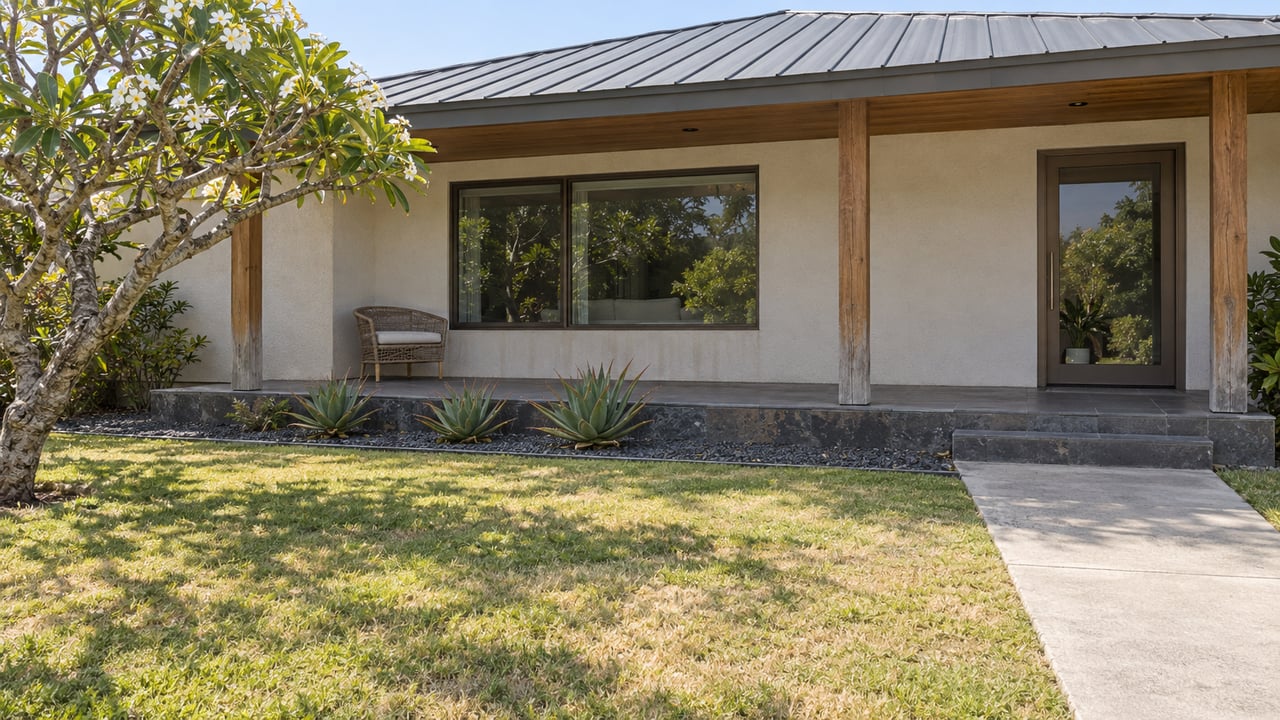
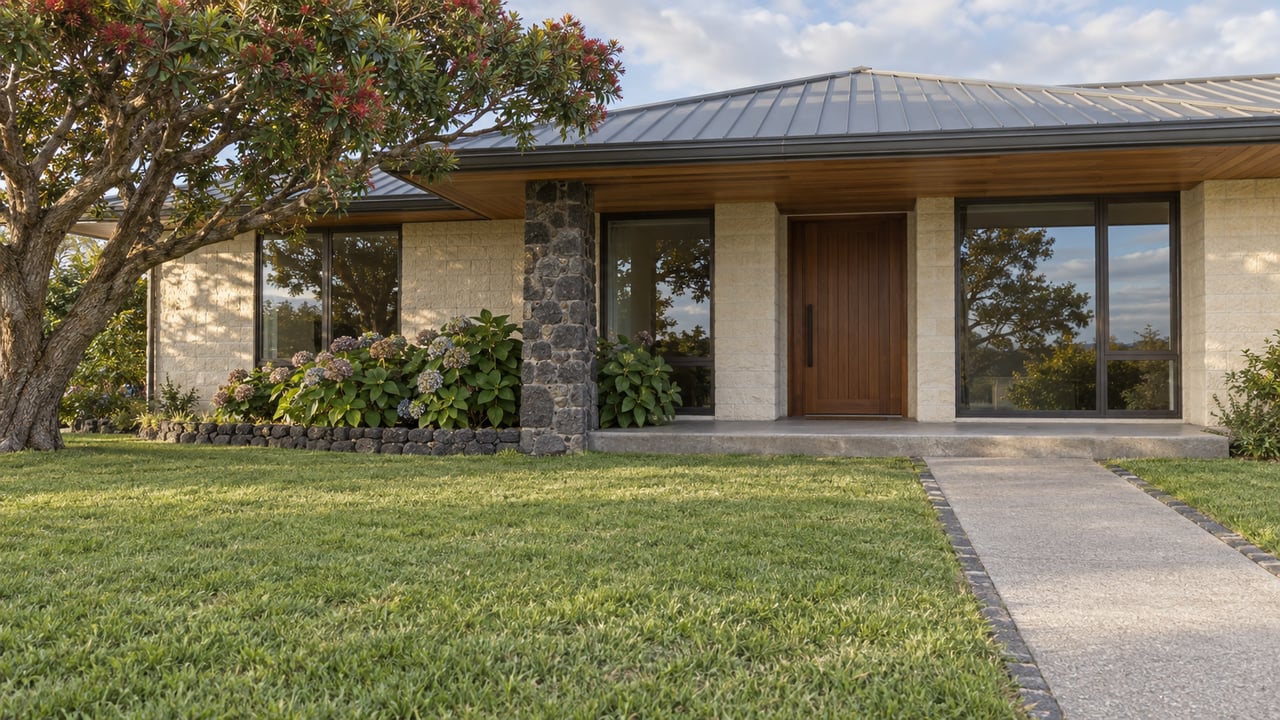
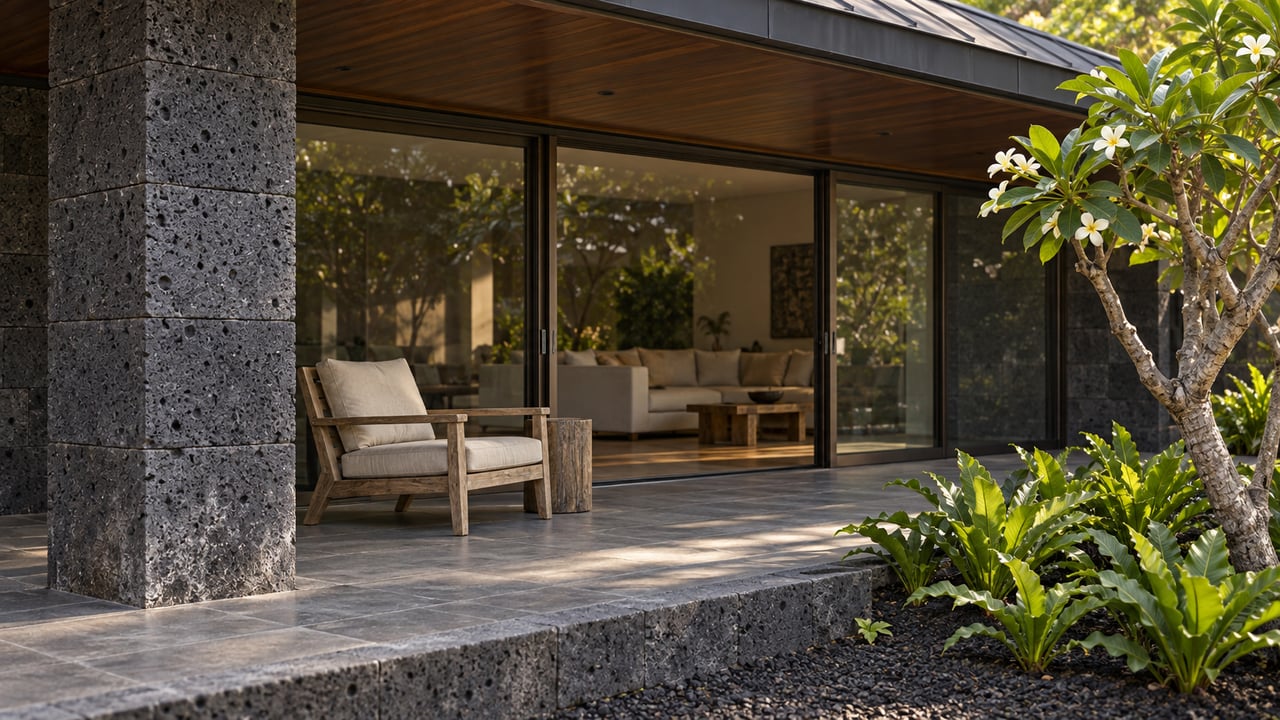
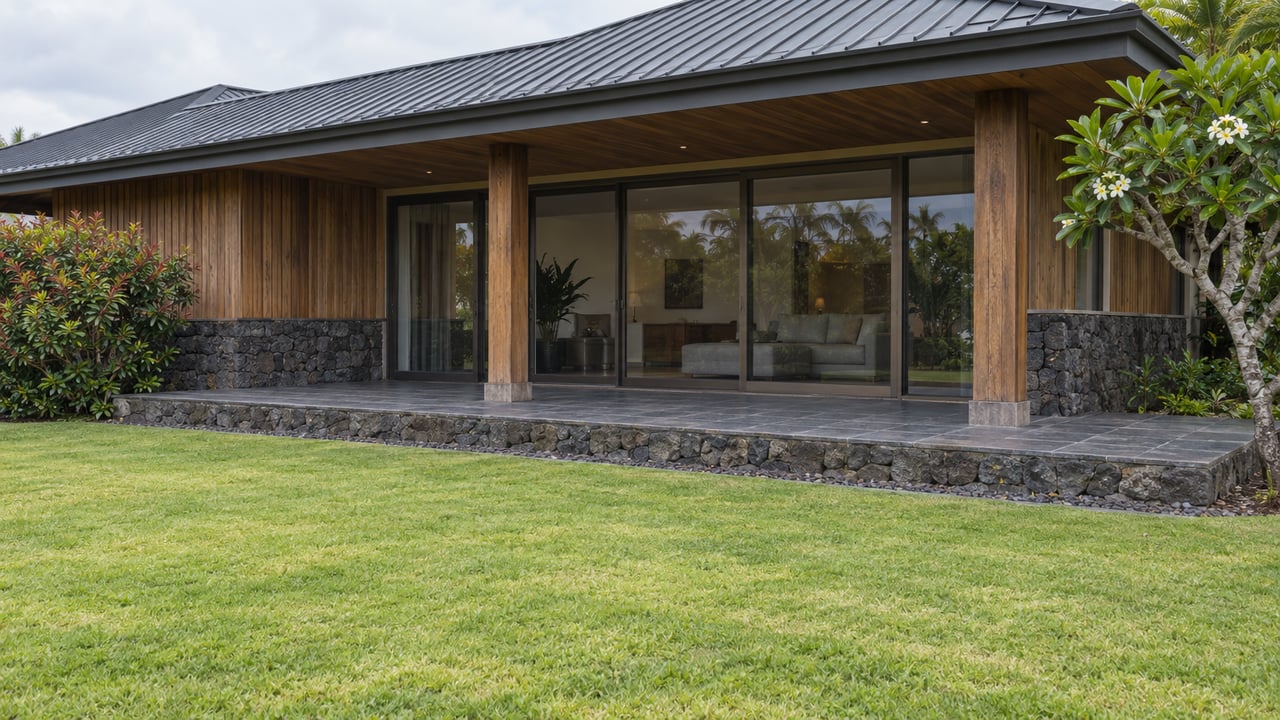
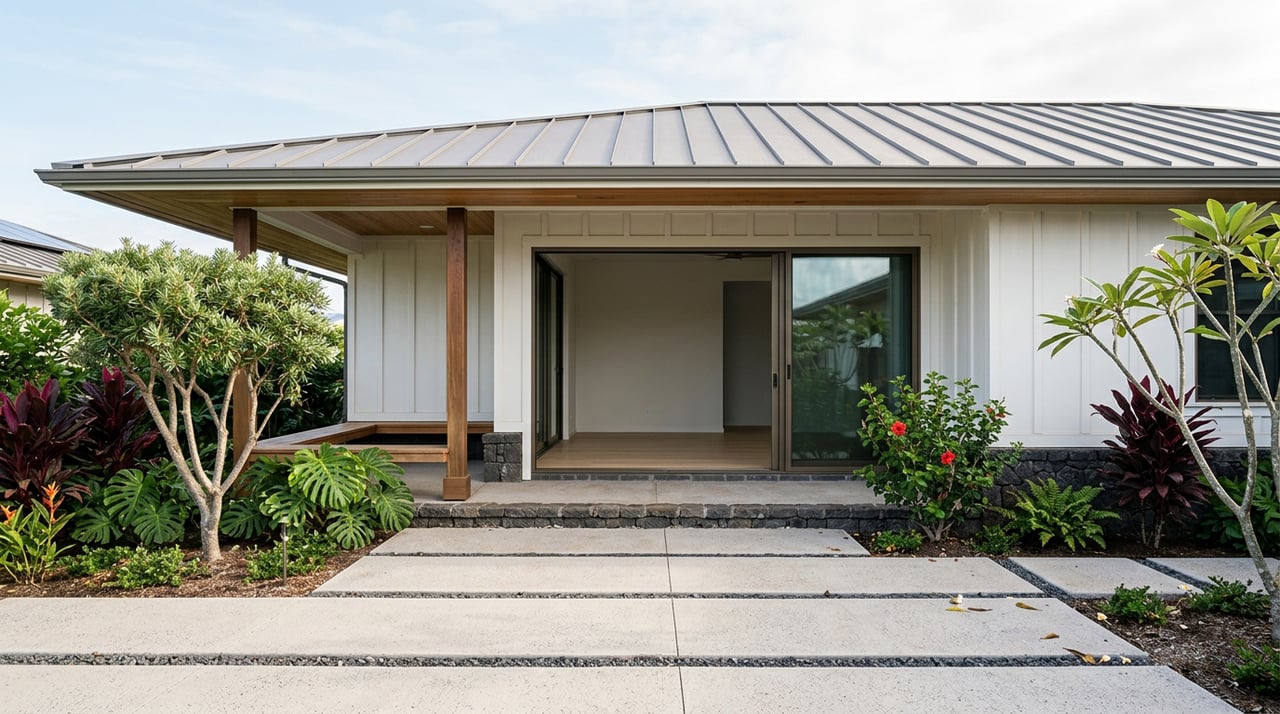
In town, you will find single-family homes on smaller, walkable lots close to shops and services. Just outside town, many properties are farms or multi-acre ranch parcels with older plantation-era cottages, ranch homes, or contemporary builds sited for ocean and mountain views. Gated ranch communities in the region often feature larger lots, community infrastructure, and CC&Rs with HOA costs. Each setting offers a different balance of privacy, rules, and services. If you prefer a village feel, look in town. If you want acreage and views, consider rural parcels and gated subdivisions.
Costs and timing to expect
Escrows often run 30 to 60 days for financed purchases, and rural properties can stretch timelines. Scheduling septic and soils inspections, verifying water meters, and ordering surveys can take longer than on the mainland. If you are remote, build in extra time for in-person inspections, vendor bids, and insurance approvals. A clear timeline helps you keep contingencies aligned with real-world scheduling.
Your Hāwī buyer checklist
Use this practical list during your contingency period. A few hours up front can save you weeks later.
- Water source and capacity
- Verify whether a County DWS meter exists and is active. If not, ask about eligibility, cost, and timing. Review district context in the North Kohala CDP and check DWS notices for North Kohala.
- Wastewater system
- Identify whether the property uses sewer, septic, or a cesspool. Request permits, recent inspections, and upgrade receipts. Track statewide policy changes via legislative updates.
- Legal access and road maintenance
- Confirm deeded vehicle access, parking, and responsibility for private roads. Ask for HOA CC&Rs and any road maintenance agreements. See the North Kohala CDP for local access context.
- Flood, tsunami, and coastal erosion
- Run FEMA flood panels for the address and review tsunami evacuation guidance from county and state sources. A helpful public resource is the state’s coastal safety and evacuation manual.
- Lava and geology
- Confirm the parcel’s USGS lava zone and order a geotechnical review if slopes, gulches, or shallow soils are present. Start with the USGS hazard-zone map.
- Utilities and broadband
- Request written confirmation of electric service availability and transformer capacity from Hawaiian Electric. Verify fiber or other internet options by address using the Hawaiian Telcom availability reference, then confirm directly with the provider.
- Title and survey
- Order a current survey to verify boundaries, setbacks, and potential encroachments. Ask your title company to pull all easements, access rights, and any unrecorded issues.
- Permits and improvements
- Collect building permits, final inspections, and certificates of occupancy. For driveways, retaining walls, or shoreline work, confirm county approvals.
- Insurance and lending
- Get quotes in writing for homeowners, flood, and hurricane coverage. Confirm with your lender that the proposed policy meets underwriting requirements before you remove financing contingencies.
- Local rules and future projects
- Review Hawaiʻi County guidelines on vacation rentals, agricultural classifications, and pending infrastructure projects that may affect your parcel. The North Kohala CDP is a good overview document.
Nearby options to compare
- Hāwī (town): Walkable main street and a village feel, with a mix of in-town homes and nearby acreage.
- Kapaʻau/Halaʻula: Government services and civic center functions are based here, which can be practical for errands and appointments. See the county’s public facilities overview in this planning document.
- Gated ranch communities: Larger lots, CC&Rs, and managed infrastructure. Expect HOA fees and rules that shape how you use the property.
- Kohala Coast resort areas: A different market with resort condos and luxury properties, plus tourism-oriented amenities and zoning profiles.
Ready to explore Hāwī like a local
Buying in Hāwī rewards a little extra due diligence. When you confirm water, wastewater, access, hazards, and utilities early, you can write a strong offer and move confidently to closing. If you want a partner who knows the nuances of North Kohala and brings finance, construction, and operations experience to your search, reach out to Noelani Spencer. She will connect you with vetted local vendors, help you plan inspections, and guide you from first showing to keys in hand.
FAQs
What should I check first when buying in Hāwī?
- Start with water: confirm whether the property has a County DWS meter, whether service is active, or if it relies on catchment or a well, then verify timelines and costs for any upgrades.
How risky is lava in Hāwī for insurance and loans?
- Most of Hāwī is mapped in USGS Lava Hazard Zone 9, which is the island’s lowest lava hazard; confirm the exact parcel’s zone using the USGS map and get written insurance quotes early.
Will I have reliable internet in rural North Kohala?
- Availability varies by address; check fiber first, then evaluate fixed wireless or satellite, and confirm actual upload and download speeds with providers before you rely on remote work.
Are cesspools common and do I need to upgrade?
- Some older properties still have cesspools; ask for documentation and be prepared for upgrades as Hawaiʻi continues to advance conversion policies and programs.
How far is Hāwī from major services and the airport?
- Hāwī has local shops and a nearby health facility in Kapaʻau, with broader services in Waimea; plan roughly an hour or more to Kona International Airport depending on route and traffic.