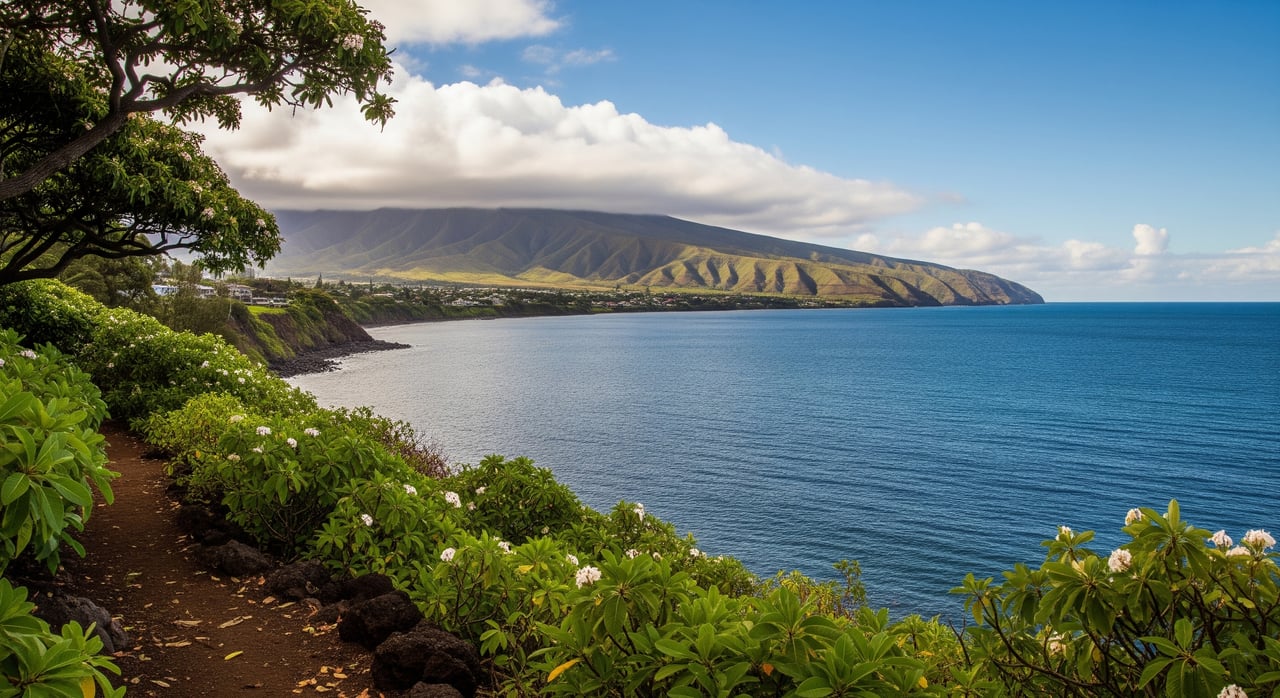
Do you picture Hawaiʻi as warm and sunny every day? In Waimea, mornings can be crisp enough for a sweater, and afternoons are perfect for a ranch ride or garden time. If you want small‑town convenience, access to world‑class beaches, and a cooler climate, Waimea might feel like home. In this guide, you’ll learn what daily life looks like in 96743, from microclimates and housing to schools, services, and practical buyer tips. Let’s dive in.
Where Waimea fits on the island
Waimea, also called Kamuela, sits inland on the northern slopes of Hawaiʻi Island. It serves as a hub for surrounding rural communities and the Kohala resort corridor to the northwest. You’re positioned between the Hamakua coast and the sunny Kohala shoreline, so you can reach beaches, valleys, and mountain roads with a short drive.
Most errands happen right in town. For specialty services or flights, you’ll drive to Kona- or Hilo-side destinations. Car travel is the norm, and drive times vary by route, roadwork, and the exact destination.
Cooler climate and microclimates
Waimea’s elevation creates a different feel than the coast. Days are mild, evenings are cool, and winter mornings can be chilly. You’ll likely use layers year-round and appreciate homes designed for airflow and insulation rather than only air conditioning.
Microclimates are part of daily life. Some neighborhoods are windward and see more showers, while leeward areas are drier and sunnier. This affects gardening, landscaping choices, and even your wardrobe. It also shapes home features like covered lanais, rain-shedding roofing, and materials that handle moisture and wind.
Daily essentials and services
You can handle most day-to-day needs without leaving town. Waimea offers grocery stores, pharmacies, hardware and feed stores, restaurants, cafes, banks, and small specialty shops. Regular farmers markets are a fixture, supporting a farm-to-table lifestyle and connecting you with local producers.
Healthcare access includes primary care, urgent care, dental, and veterinary services in town. For major hospital services or specialized care, residents often travel to larger facilities elsewhere on the island. Emergency services are county-run, and response times can be longer in rural outlying areas compared with town center.
Schools and learning options
Waimea is served by Hawaiʻi State public schools from elementary through high school. The area also includes respected private and independent options that play a visible role in the community. For example, families often explore information from Hawaii Preparatory Academy when considering private school pathways.
Enrollment policies and school boundaries change over time. If schools are a factor for your move, confirm current assignments, calendars, and admissions directly with each school.
Utilities, broadband, and infrastructure
Infrastructure can vary block to block, especially as you move from in-town neighborhoods to rural pasture lots.
- Water: Many in-town homes are on county water. Rural parcels may use catchment, private wells, or private water agreements. Confirm the exact water source during due diligence.
- Wastewater: Some properties connect to sewer; others use septic or legacy cesspools. Hawaiʻi has active programs related to cesspool conversion that can affect renovation and sale plans. Review current guidance from the Hawaiʻi Department of Health on wastewater.
- Power and internet: Solar is common. Broadband and mobile coverage exist in town but can vary by provider and by distance from main corridors. Always run address-specific checks.
For planning, zoning, or roadway questions, start with the County of Hawaiʻi resources and then verify details at the parcel level.
Homes and land in Waimea
Waimea’s housing mix reflects its ranching heritage and modern island living.
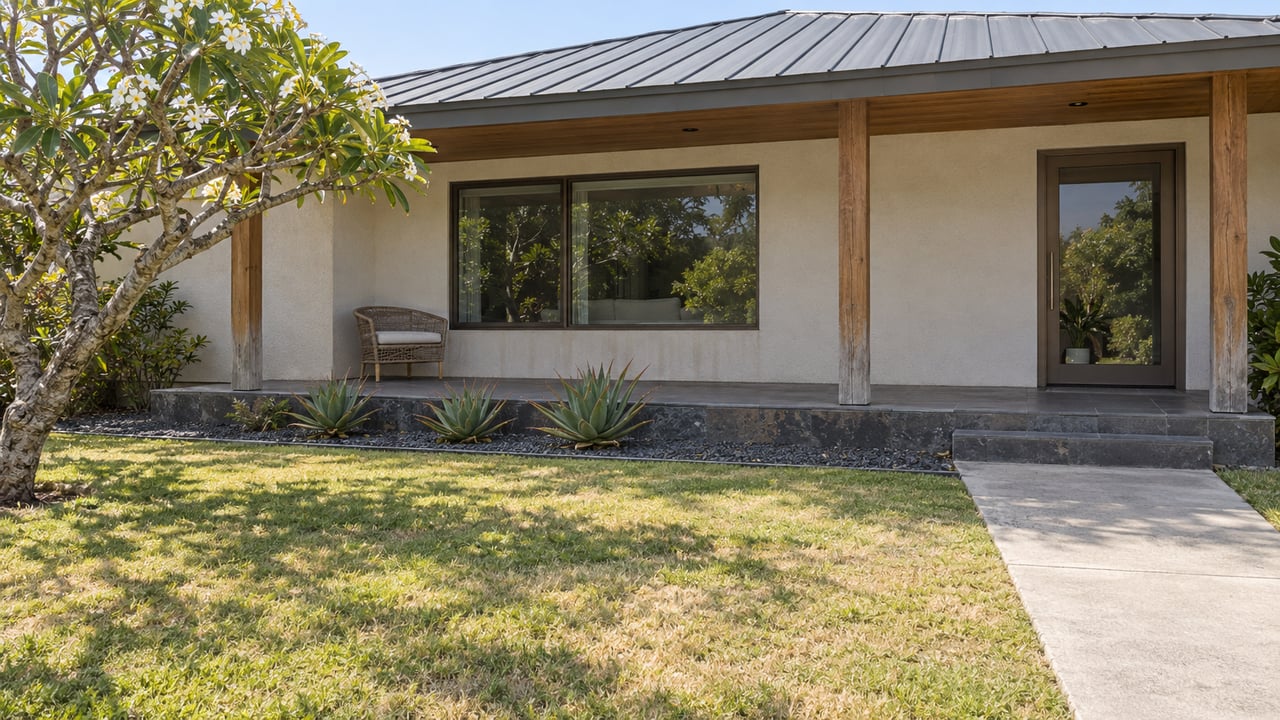
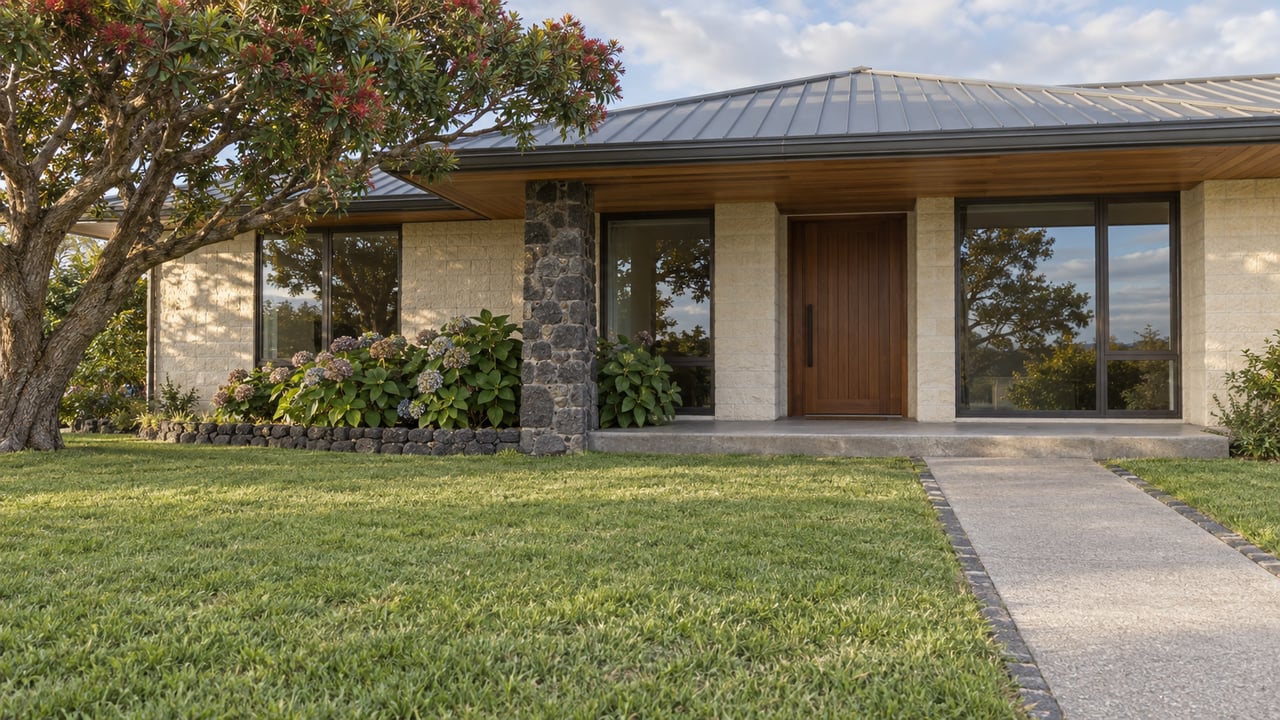
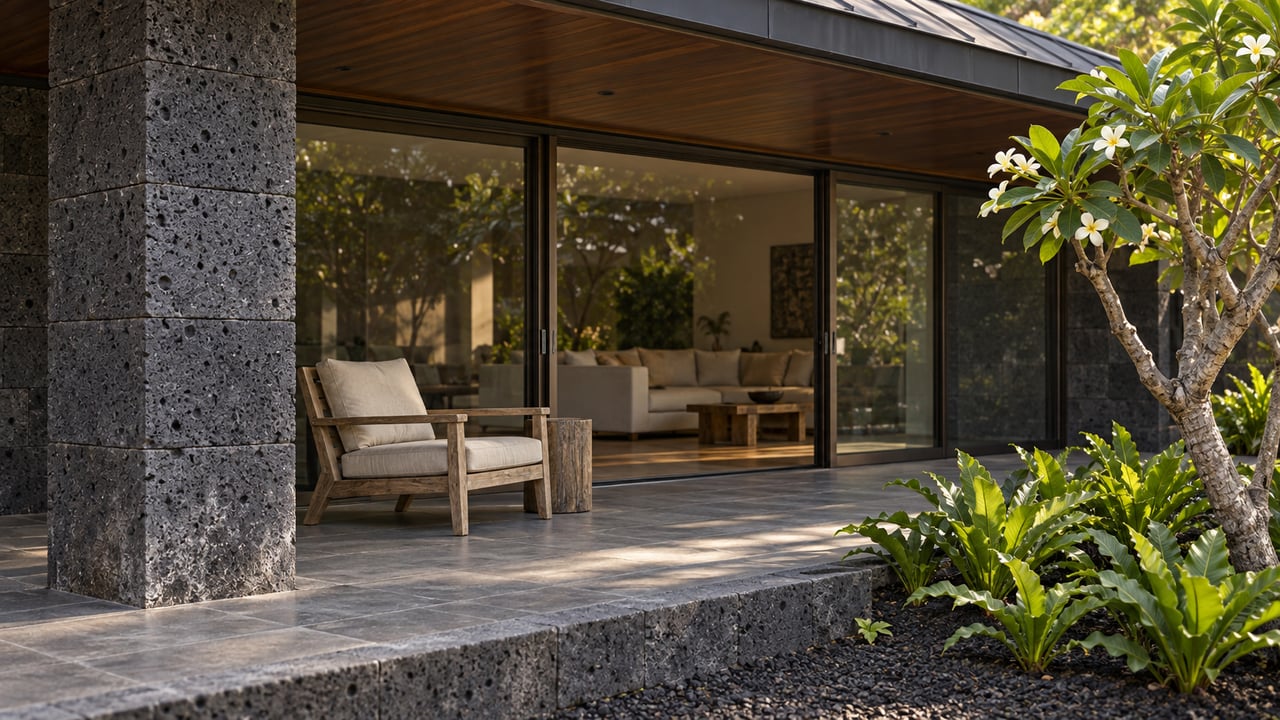
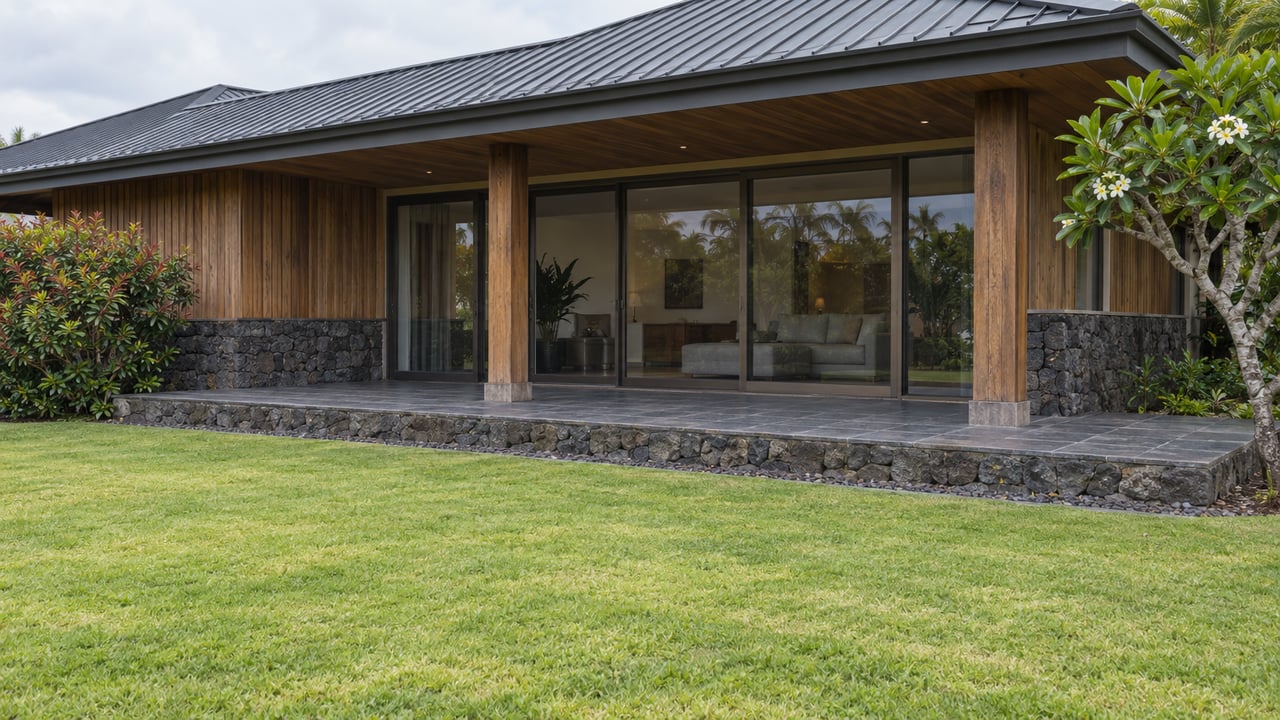
- Single-family homes: You’ll find ranch-style and contemporary homes, often with lanais and weather-smart materials.
- Larger lots and acreage: Many properties support horses, hobby farms, and pasture uses. Maintenance scales with lot size, fencing, and access roads.
- In-town condos and townhomes: Options exist but are more limited than typical mainland suburbs.
- Estate properties: Higher-end homes and resort-adjacent estates appear on larger lots in select areas.
Architecture ranges from plantation-era and paniolo-inspired designs to newer island-modern builds. If you plan to keep animals, farm, or build an accessory unit, review agricultural zoning and permitted uses with the County of Hawaiʻi. Market dynamics vary across micro-neighborhoods, so compare in-town streets, rural pasture areas, and resort-adjacent pockets before you buy.
Getting around the island
Most households rely on cars. Public transit is limited, and many families keep multiple vehicles. Living in Waimea positions you to reach both coasts, but timing depends on your route and the day’s conditions. If you travel often for work or family, proximity to airports on the Kona or Hilo side is worth factoring into your routine.
Outdoor life and weekends
If you love the outdoors, Waimea fits an active rhythm. Daily routines often include neighborhood walks, trail runs, and equestrian activities. You’re within reach of scenic drives and mountain access on Mauna Kea for hiking and stargazing.
On weekends, many residents head for the Kohala Coast’s beaches or explore Hamakua’s headlands and valley lookouts. Community sports and small parks bring neighbors together, and organized events pop up throughout the year.
Culture and community
Waimea keeps its paniolo identity front and center. Ranching culture shapes local events, parades, and community life. The legacy of Parker Ranch is part of the town’s story; you can explore history and current initiatives through Parker Ranch’s official site.
Farmers markets, seasonal festivals, and school events help set the social calendar. You get a small-town feel with shared traditions, and you’ll recognize familiar faces at shops, trails, and weekend gatherings.
Practical buying considerations
The Big Island offers incredible range, and Waimea brings special strengths. It also asks you to do smart, local due diligence. Use this checklist to focus your search.
- Utilities and wastewater
- Confirm water source and rights for the exact parcel. Some rural properties rely on catchment or private agreements.
- Identify sewer, septic, or cesspool status. Review conversion guidance and funding resources via the Hawaiʻi Department of Health wastewater page.
- Zoning and permitted uses
- Verify agricultural or pasture zoning, allowed livestock uses, and any limits on accessory structures.
- Confirm any easements, setbacks, and subdivision potential with the County of Hawaiʻi.
- Broadband and cell coverage
- Check providers and speeds at the address. Coverage can shift just a few streets apart.
- Hazard and insurance review
- Waimea’s elevation reduces tsunami exposure compared with coastal zones, but always review FEMA flood maps for the parcel using the FEMA Map Service Center.
- Hawaiʻi Island uses lava hazard zones. Confirm the parcel’s designation and discuss insurance and permitting impacts with local authorities.
- Consider wildfire and wind exposure and review structural standards for high-wind areas.
- Access and maintenance
- Inspect private roads, culverts, drainage, and fencing. Clarify any road maintenance agreements.
- Budget for pasture and weed control on larger lots.
- Schools and community fit
- Verify public school assignments and calendars, and explore private options like Hawaii Preparatory Academy if relevant.
- Visit markets, parks, and trails to get a feel for the weekly rhythm.
If you enjoy cooler mornings, open-land views, and a balance of town convenience with rural breathing room, Waimea delivers a steady daily rhythm. You can live close to the coast without the heat of sea level, lean into gardening or horses, and plug into a community that values tradition and outdoor life.
Ready to explore homes, acreage, or a land-to-build plan in 96743 with a trusted local? Reach out to Noelani Spencer for concierge guidance, trusted vendor introductions, and step-by-step support from search to closing.
FAQs
How does Waimea’s climate compare to coastal Hawaiʻi?
- Waimea sits at higher elevation, so you get milder daytime highs, cooler nights, and microclimates with more frequent wind or showers than many sea-level areas.
What should I know about wastewater systems in Waimea?
- Properties may have sewer, septic, or cesspools; review rules and conversion programs through the Hawaiʻi Department of Health wastewater resources.
Are there properties suitable for horses or hobby farming?
- Yes, many parcels are agricultural or pasture-zoned, but you should confirm permitted uses, water availability, and fencing needs with the County of Hawaiʻi.
How is internet and cell service around 96743?
- Service exists in town but varies by provider and parcel; run address-specific checks for speeds and coverage before you buy.
What hazards or insurance factors should I review before buying?
- Check FEMA flood maps via the FEMA Map Service Center, confirm lava hazard zoning, and assess wildfire and wind exposure for the exact property.
What is Waimea’s community identity like day to day?
- You’ll see active ranching culture, farmers markets, and school-centered events, with Parker Ranch’s legacy reflected in local gatherings and traditions through Parker Ranch.